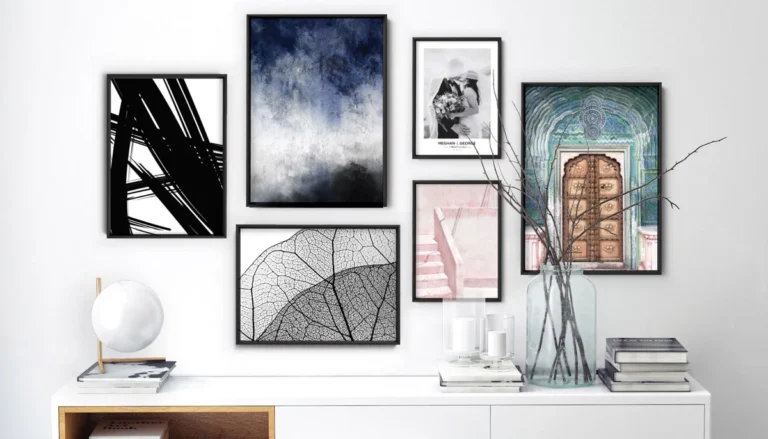
Table of Contents
- Why Custom Framing Material Matters: Durability, Aesthetics & Protection
- Understanding Your Space: Interior Decor, Lighting & Environment
- Matching Custom Framing Size & Style With Your Artwork
- Wood Frames: Benefits & When to Choose Them
- Metal Frames: Modern, Sleek & Minimalist Options
- Acrylic Frames: Lightweight, Safe & Versatile Designs
- Acrylic Frames vs. Acrylic Glazing: What Is the Difference?
- Choosing the Right Glazing: Glass vs. Acrylic
- Matting, backing, and finishing
- Final Decision Guide: Which Frame Material Is Best for Your Art Type?
- Summary: How to Pick the Perfect Custom Framing Material
- FAQs
Choosing the right frame material can change how your artwork looks and how well it is supported over time. Wood, metal, and acrylic frames each offer different advantages in appearance, weight, durability, and maintenance. If you need professional custom framing services in Dubai, consider the artwork’s size, style, and display requirements before selecting a material.
In Dubai and across the UAE, consider indoor conditions such as direct sunlight, humidity, and dust when planning a framing project. The frame material is only one part of the decision. Glazing, matting, backing, and professional assembly also influence how your artwork is presented and protected.
This guide compares wooden, metal, and acrylic frame options to help you choose a suitable material for your home, office, or commercial space.
| Frame material | Main advantages | Possible limitations | Suitable uses |
|---|---|---|---|
| Wood | Warm appearance, many finishes, versatile styles | Weight and performance vary by wood type and construction. | Paintings, portraits, traditional artwork |
| Metal | Slim profiles, clean lines, consistent shape | May feel less suitable for some traditional interiors | Posters, photographs, certificates, modern prints |
| Acrylic | Lightweight, contemporary appearance, impact-resistant compared with ordinary glass | Can scratch and may need careful cleaning | Lightweight displays, modern interiors, selected wall-art applications |
Choosing the material is only one part of the framing process. You should also consider frame proportions, glazing, matting, and how the finished artwork will look on your wall. Read our guide to choosing the right picture frame for more advice on matching framing styles with different artwork types.
No single material is best for every framing project. Compare the artwork’s size and weight with the frame’s construction, finish, and intended display location. Also remember that the frame itself is different from the glazing used in front of the artwork. Glass and acrylic glazing have their own protective and maintenance considerations.
Why Custom Framing Material Matters: Durability, Aesthetics & Protection
The selection of custom framing materials determines both the appearance and durability of your artwork as well as its ability to resist the UAE’s environmental conditions. The combination of heat and humidity and indoor light exposure will eventually cause damage to your prints and artwork.
A suitable frame provides structural support and creates a finished presentation for your artwork. However, it cannot prevent every form of damage. Light exposure, humidity, temperature changes, glazing, mounting materials, and installation conditions also affect how artwork ages. Choosing the right combination of framing components can help reduce avoidable risks while keeping the display visually balanced.
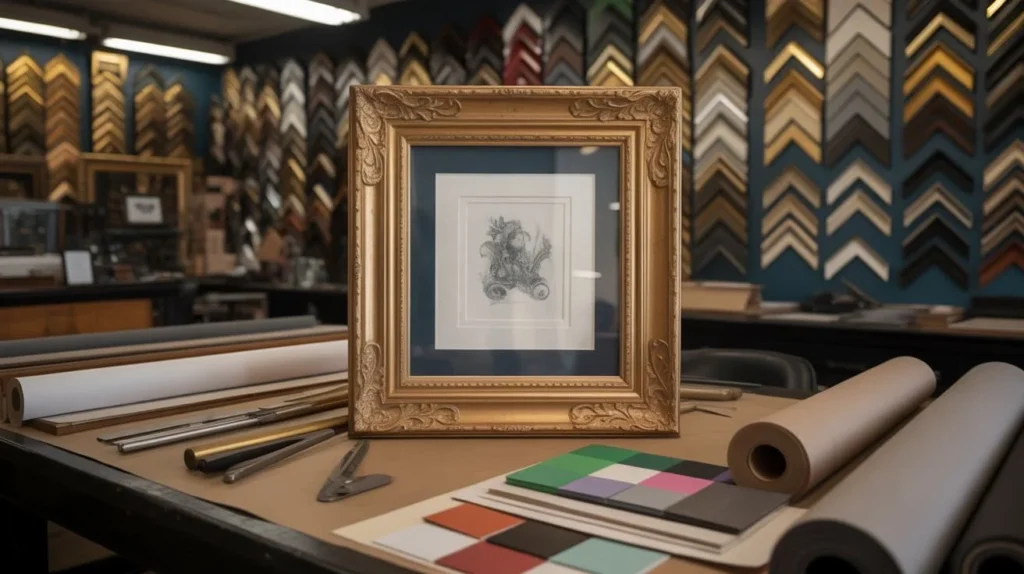
Understanding Your Space: Interior Decor, Lighting & Environment
Before selecting a frame material, think about where the artwork will hang. A frame needs to match your home or office style while working with your lighting setup and enduring the conditions of its permanent location.
For modern apartments in Dubai or Abu Dhabi, metal and acrylic frames often match clean, minimal interior styles. Traditional villas or hotel lobbies usually pair beautifully with wooden frames. Rooms exposed to strong sunlight or humidity need UV-resistant glazing and moisture-safe materials for long-lasting protection.
Matching Custom Framing Size & Style With Your Artwork
Frame material should support the artwork both visually and structurally. Large or oversized pieces require a stronger frame—custom metal prints or thick wood works best. For modern posters, digital prints, or minimalist artwork, slim aluminum frames create a clean, contemporary look.
The combination of wooden frames works best for traditional artwork and historical pieces, but acrylic frames serve better for light artwork and contemporary design spaces. The correct frame selection enables your artwork to become the main focus instead of letting the frame dominate the display.
Looking for Custom Framing in Dubai?
Choosing the right frame involves more than selecting a material or colour. The size, weight, artwork type, glazing, and finishing details all influence the final result.
If you are planning a framing project in Dubai, explore ArtPlus custom framing services. Share your artwork requirements and preferred style to discuss a suitable framing option.
Wood Frames: Benefits & When to Choose Them
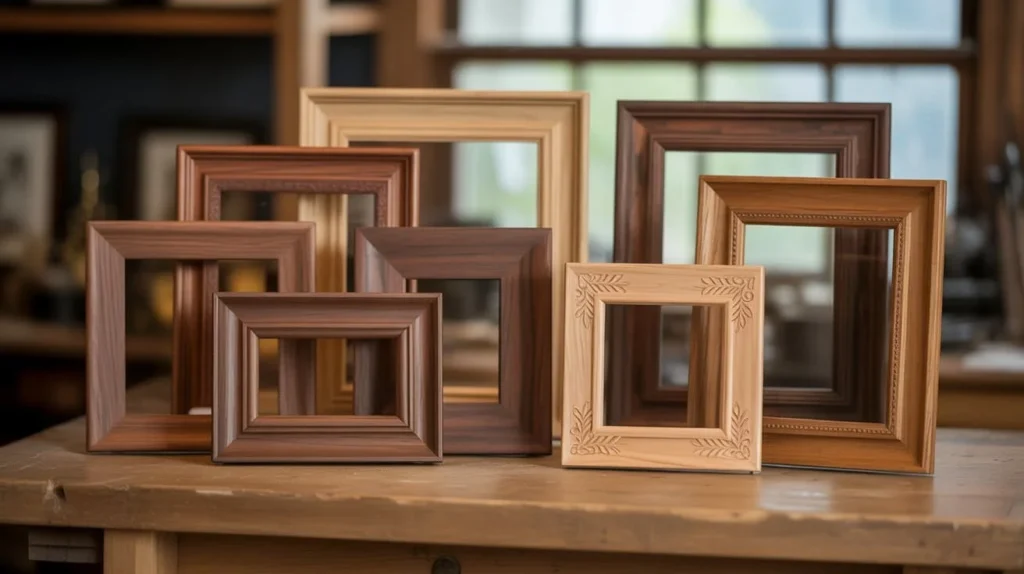
Wooden frames add warmth and richness and character to every artwork they frame. The collection includes various frame styles which range from light pine to deep walnut and premium oak. Wooden frames create a natural texture that makes traditional paintings and portraits and calligraphy and high-value artworks appear more beautiful.
The natural appearance of wood makes it suitable for both elegant and rustic home decor styles because it can be carved or painted or left in its original state. The UAE art community chooses wooden frames because they create a classic look that adds dimension to artwork.
Top Reasons to Choose Wooden Frames
Wood frames offer flexibility in style, finish, and profile. You can choose natural finishes for a warm appearance or painted finishes for a more contemporary look. Their suitability depends on the wood type, frame construction, finish, and display environment. For larger artwork, check that the frame provides enough structural support for the overall weight. If you are framing valuable or delicate paper artwork, also consider conservation-quality matting and suitable barriers between the artwork and the frame.
When Are Wooden Frames a Good Choice?
Wood frames are worth considering for:
- Traditional paintings and portraits.
- Family photographs and decorative prints.
- Islamic calligraphy and classic artwork.
- Interiors that use natural textures or warm finishes.
Choose the profile and finish according to the artwork’s dimensions and the surrounding décor. Avoid assuming that every wooden frame provides the same level of durability or conservation protection.
Canvas artwork may need a different presentation from a paper print or photograph. If you are displaying a canvas piece, read our guide to canvas framing in the UAE for more information about suitable presentation options.
Metal Frames: Modern, Sleek & Minimalist Options
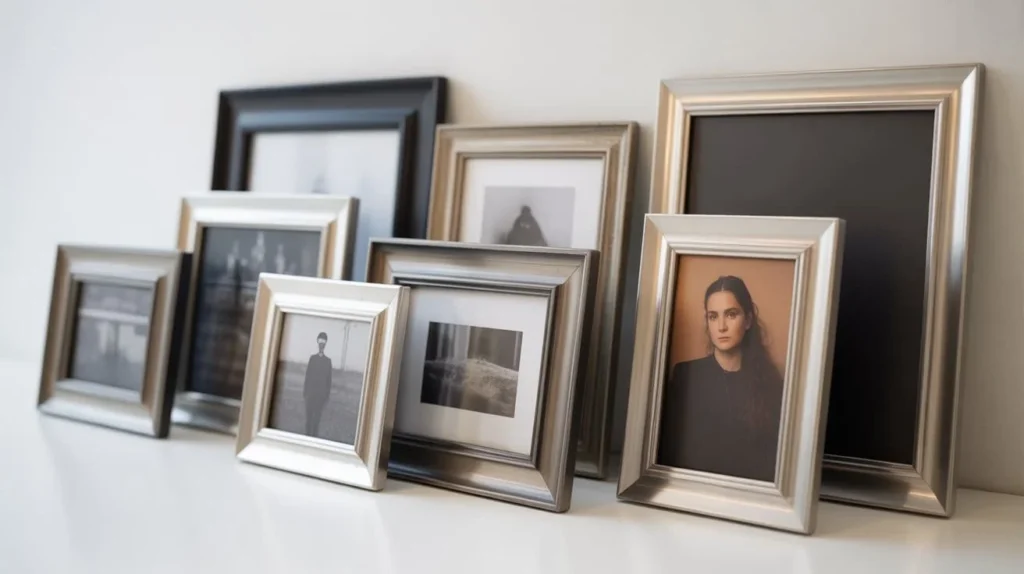
Metal frames, particularly aluminum, suit contemporary spaces where clean lines and slim profiles are preferred. Their understated appearance works well with photographs, posters, certificates, and modern prints. Metal frames are also available in different finishes, making it easier to coordinate them with office interiors, studios, and residential spaces.
Why Choose Metal Frames?
- Slim profiles create a neat, modern presentation.
- Metal construction can provide consistent structural support.
- Different finishes suit a range of interior styles.
- Their clean appearance works well with photographs, posters, and certificates.
The final choice should depend on the frame’s profile, construction, finish, and the weight of the artwork. For larger pieces, make sure the complete frame and hanging system can safely support the finished display.
Acrylic Frames: Lightweight, Safe & Versatile Designs
Acrylic frames offer a lightweight, contemporary alternative to traditional frame materials. Their clear or coloured finishes can create a clean presentation for photographs, prints, and modern decorative artwork. Acrylic is also less prone to hazardous breakage than ordinary glass, although its strength and performance depend on the product and construction.
Why Choose Acrylic Frames?
- Lightweight construction can make handling and installation easier.
- Clear finishes create a simple, modern appearance.
- Different colours and designs suit contemporary interiors.
- Acrylic can be useful where reducing the weight of a display is important.
Keep in mind that acrylic surfaces can scratch. Follow the manufacturer’s cleaning instructions and check the product specifications before choosing acrylic for a particular artwork or display location.

Acrylic Frames vs. Acrylic Glazing: What Is the Difference?
An acrylic frame uses acrylic as part of the frame’s visible structure or presentation. Acrylic glazing, on the other hand, is the transparent sheet placed in front of the artwork. It serves a different purpose from the frame itself.
Acrylic glazing is generally lighter and less prone to breakage than glass. However, it can scratch, attract dust through static electricity, and require careful cleaning. The right choice depends on the artwork, its surface, display size, and conservation requirements.
Choosing the Right Glazing: Glass vs. Acrylic
Glazing is the transparent layer placed in front of framed artwork. Glass is generally more resistant to surface scratches, while acrylic is lighter and less prone to breakage. Both materials are available in different specifications, including options with UV-filtering properties. The Canadian Conservation Institute’s guidance on glazing materials explains the differences between glazing options, including weight, breakage, UV filtering, static, and scratch resistance.
When choosing glazing, consider the artwork’s size, weight, surface condition, and display location. UV-filtering glazing can reduce some ultraviolet exposure, but it does not eliminate all light-related fading. Acrylic can also develop static and scratches, making the correct product and cleaning method important.
For valuable, delicate, or conservation-sensitive artwork, ask a professional framer about suitable glazing, matting, and spacing. The artwork should not rest directly against the glazing.
Matting, backing, and finishing
Matting, backing, and finishing components help complete a framed artwork. A mat creates visual space around the image and can help keep the artwork separated from the glazing. The backing board supports the frame package, while suitable mounting methods help hold the artwork in position.
For valuable paper-based artwork, the materials used inside a frame are just as important as the outer frame. The Library of Congress guidelines for matting and framing explain how suitable matboards, glazing, backing, and frame construction can help reduce conservation risks.
For artwork that needs additional protection, the quality and compatibility of these materials matter. Conservation framing may use acid-free or lignin-free matboards, appropriate backing materials, and suitable methods for attaching the artwork. The correct combination depends on the artwork’s material, condition, and intended display.
Frame materials are only one consideration when planning a custom framing project. For more guidance on frame styles, artwork requirements, and the overall process, read our custom framing guide for artwork in the UAE.
Final Decision Guide: Which Frame Material Is Best for Your Art Type?
The best frame material depends on the artwork and the environment in which you plan to display it. Wooden frames suit traditional artwork and interiors that benefit from warmth and natural texture. Metal frames offer a clean, contemporary appearance for photographs, posters, and modern prints. Acrylic options are worth considering when a lightweight display or modern finish is important.
Before making your decision, compare the artwork’s size and weight, the frame’s construction, the available finishes, and your preferred glazing. Also consider your budget and the maintenance required. A suitable combination of frame material and supporting components will create a more balanced and practical display.
If you are still deciding between a made-to-measure frame and a standard option, compare their differences before ordering. Our guide to custom framing versus ready-made frames explains when each option may be suitable.
Different artwork surfaces and formats can require different framing approaches. Explore our guide to framing different types of artwork for more specific considerations when framing prints, paintings, photographs, and other pieces.
Summary: How to Pick the Perfect Custom Framing Material
Choosing the right custom framing material involves more than matching the frame to your décor. Wood offers a warm and versatile appearance, metal creates a sleek modern finish, and acrylic provides lightweight design options. Compare their advantages alongside the artwork’s size, weight, glazing requirements, and display conditions. If you are unsure which combination suits your artwork, a professional framer can help you assess the available options.
If you are planning to frame artwork for your home, office, or commercial space, explore our custom framing services in Dubai. You can discuss your artwork, preferred frame material, size, and finishing requirements before choosing a suitable framing option.
Looking for Custom Framing in Dubai?
Choosing the right frame involves more than selecting a material or colour. The size, weight, artwork type, glazing, and finishing details all influence the final result.
If you are planning a framing project in Dubai, explore ArtPlus custom framing services. Share your artwork requirements and preferred style to discuss a suitable framing option.
FAQs
What materials work best for picture frames?
Wood, metal, and acrylic are common picture-frame materials. Wood offers a traditional appearance, metal suits modern interiors, and acrylic provides lightweight design options. The best choice depends on the artwork, frame construction, and display requirements.
Is wood or metal better for picture frames?
Wood and metal can both work well. Wooden frames offer a warmer, more traditional appearance, while metal frames provide clean lines and a contemporary finish. Consider the artwork’s weight, the frame profile, and your interior style before choosing.
Are acrylic frames better than glass frames?
Acrylic frames and glass frames are not directly interchangeable terms. Acrylic can be used as a frame material or as glazing. Acrylic glazing is lighter and less prone to breakage than ordinary glass, but it can scratch and attract dust through static electricity.
What is the most durable material for a picture frame?
Durability depends on the material quality, construction, finish, artwork weight, and display environment. A well-constructed wood or metal frame can provide reliable support. Acrylic products also vary in their strength and suitability.
What makes a high-quality picture frame?
A high-quality picture frame should have suitable construction, secure joints, an appropriate finish, and enough structural support for the artwork. For valuable paper-based artwork, suitable glazing, conservation-quality matting, and compatible backing materials are also important.