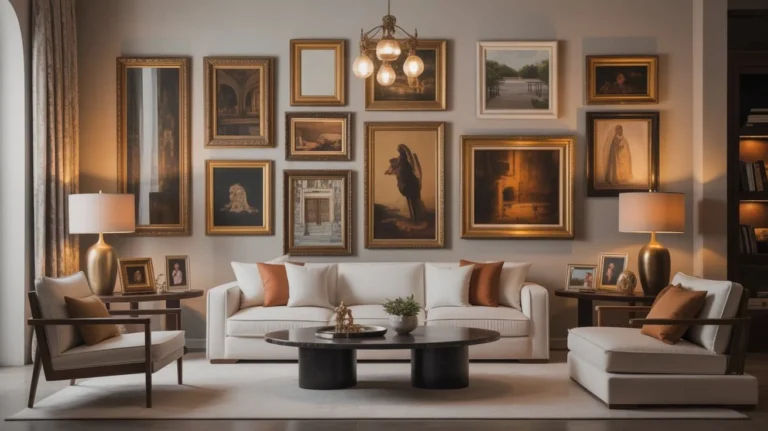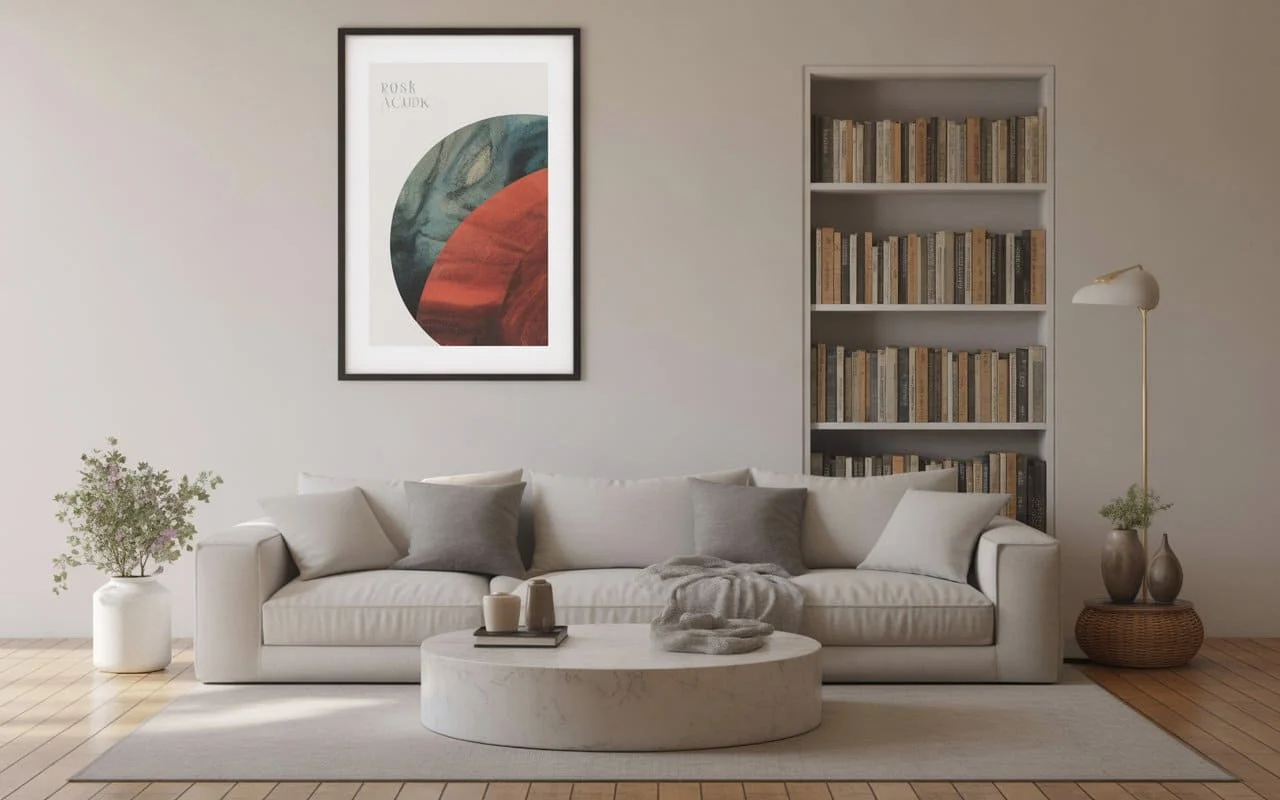
Choosing the right frame can completely transform the look, protection, and long-term life of your artwork frame. A well-selected frame does more than decorate; it preserves colors, shields delicate surfaces, and enhances the overall style of your space. When learning how to choose the right picture framing, it helps to understand materials, proportion, glazing, and the artwork’s medium.
Good framing protects art from light, dust, and humidity while improving visual impact. Many people also consider picture custom framing art techniques, and whether their artwork needs archival framing for better preservation. With the right guidance, you can pick a frame that keeps your artwork safe and beautifully displayed for years.
Understanding the Basics of Picture Framing Art
Good framing begins with an understanding of how the frame interacts with colors, textures, and paper or canvas surfaces. Many people ask whether every artwork needs a frame. The answer depends on the medium of art. Watercolors, pastels, drawings, photographs, and prints require more protection than oil or acrylic paintings.
For example, the framing of artwork made on paper requires special care. Because paper is easily affected by moisture and light. Canvas paintings may require a variety of methods such as canvas stretching, varnish layers, or gallery wrap and traditional framing. Each art type demands a different approach, and the right choice preserves the original style of art.
Traditional vs Modern Frames for Different Art Types
The choice between traditional and modern frames depends on the style of the artwork. Classical paintings usually look best with carved wooden frames, while for modern abstract art, floating frames, box frames or simple and minimalist designs are more suitable. Many people ask about the best frames in modern abstract art, and the answer is usually simple frames that allow bold colors to emerge.
The requirements of oil and acrylic paintings are different from each other. Many artists want to know which frame is better for oil painting without glass or whether acrylic paintings should be framed under glass, and the answer depends on the safety of the painting, the protection from dust, and the texture of its surface.
Many other mediums also want special techniques, such as protective varnish for oil paintings, safe framing of acrylic paintings, and framing with the protection of delicate watercolor paintings.
Finally, the frame is not just a decorative object but a protective device that must be chosen very thoughtfully to preserve the art.

Choosing Between Glass and Acrylic Glazing
The most common question in the framing of artwork is the choice of glass and acrylic glazing. The glazing protects the art from dust, scratches and harmful UV light. Some artists ask what kind of glass should be used for framing the artwork or whether UV glass protects the colors from fading. – And the answer depends on the sensitivity of the environment and the artwork.
UV protection is the safest option. This prevents harmful light Acrylic glazing is lighter and less prone to breakage, which is why it’s a great choice for large frames or homes like this. Where there are children.
The table below compares common glazing choices.
Table: Picture Framing Glazing Types
| Glazing Type | Features | Best Use |
| Standard Glass | Clear surface but no UV protection | Low-risk indoor spaces |
| UV-Protective Glass | Blocks most fading-causing rays | Valuable or sensitive art |
| Acrylic (Plexi) | Light and shatterproof | Large artworks or public spaces |
| Museum Glass | Anti-reflective and full UV | Museum-quality framing |
Understanding how glazing affects artwork is important, especially for creations that are made on delicate surfaces, such as charcoal or pastel drawings. That is why experts insist that proper glazing and proper distance of mats be used to preserve charcoal and pastel drawings so as to avoid smudging, i.e., lines and spots.
Matting, Mounting, and Backing for Artwork Protection
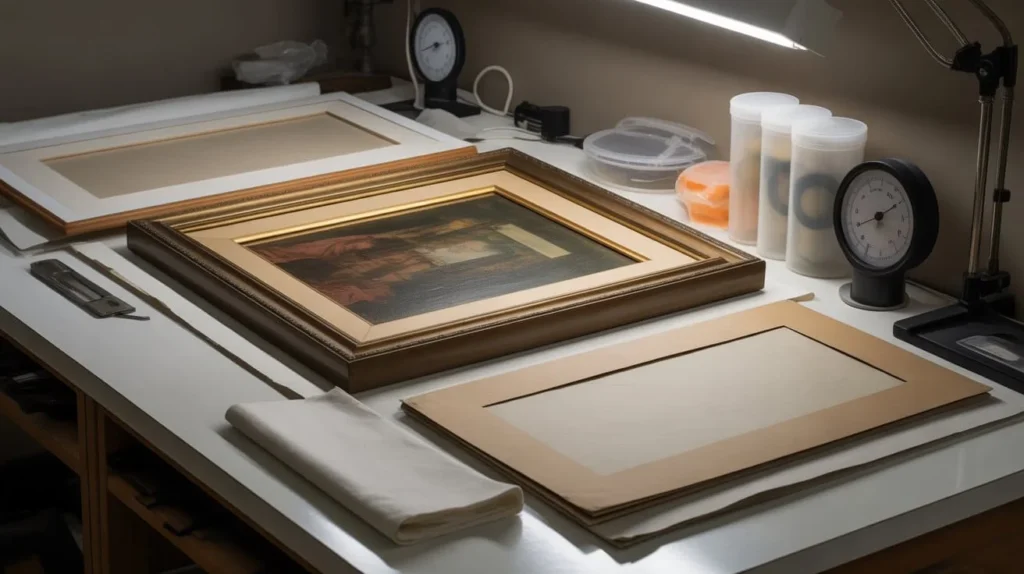
A mat creates space between the glazing and the artwork, prevents sticking, and enhances the presentation. Experts also use double matting for depth and a richer look. The back of the frame is just as important. A high-quality archival backing board keeps the artwork safe from moisture and dust.
Mounting is another vital step in protection. Using the right mounting methods for art ensures the artwork stays flat without causing damage. Fragile paper, prints, or mixed media art require special care, especially when using the float-mount technique explained, which gives the impression that the artwork is floating inside the frame.
A useful table below helps understand common mat board options.
Table: Mat Board Options and Their Uses
| Mat Type | Characteristics | Recommended For |
| Cotton Rag Mat | Highest preservation standard | Fine art prints, valuable work |
| Acid-Free Mat | Safe for long-term display | Photos, posters, drawings |
| Decorative Mat | Coloured surfaces | Modern or decorative framing |
A mat can completely transform the atmosphere of a piece, which is why knowing how to choose the right mat colour is important. The right colour enhances the image, while the wrong one distracts.

Protecting Artwork from Light, Heat, Humidity, and Dust
A frame must protect the artwork from environmental damage. This includes learning how to protect artwork from humidity, artwork light and preventing fading caused by the effects of sunlight on artwork. Many homes suffer from uneven temperatures, which can cause warping or mould growth. For this reason, using acid-free framing materials, proper sealants, and humidity control for art is necessary for long-term preservation.
Heat and light exposure are dangerous. People often ask why artwork molds or fades over time, and the answer is usually poor environmental control. Keeping artwork out of direct sunlight, hot air vents, and damp places reduces the risk of damage. The use of proper framing materials, accurate glazing, and professional sealing can also significantly slow down the aging process of the artwork.
Cleaning is another important factor. Many owners damage their art by using the wrong cleaning techniques. Understanding tips for cleaning framed artwork safely helps prevent scratches or moisture damage.
Special Techniques for Different Types of Artwork
Every type of artwork demands different framing techniques. Framing mixed media pieces requires space for texture, so a shadow box frame or a deep box frame may be needed. Textured artwork requires special steps, such as how to frame textured mixed media art, and how to ensure that no object touches or presses on the embossed surfaces.
Delicate drawings and paintings, such as watercolors, require framing techniques that prioritize UV protection, temperature control, and archival materials. Likewise, artists working with chalk, pastel or charcoal must understand what are the best ways to preserve charcoal and pastel drawings, especially through proper glazing and minimal contact.
Stretching is essential for artwork made on canvas, and many collectors compare different canvas stretching methods and ask the question about gallery wrap vs. traditional frame.
The gallery wrap gives a modern and clean style without the frame, while the traditional frame provides stronger protection and a more pronounced structure.
Building a Gallery Wall and Displaying Picture Framing at Home
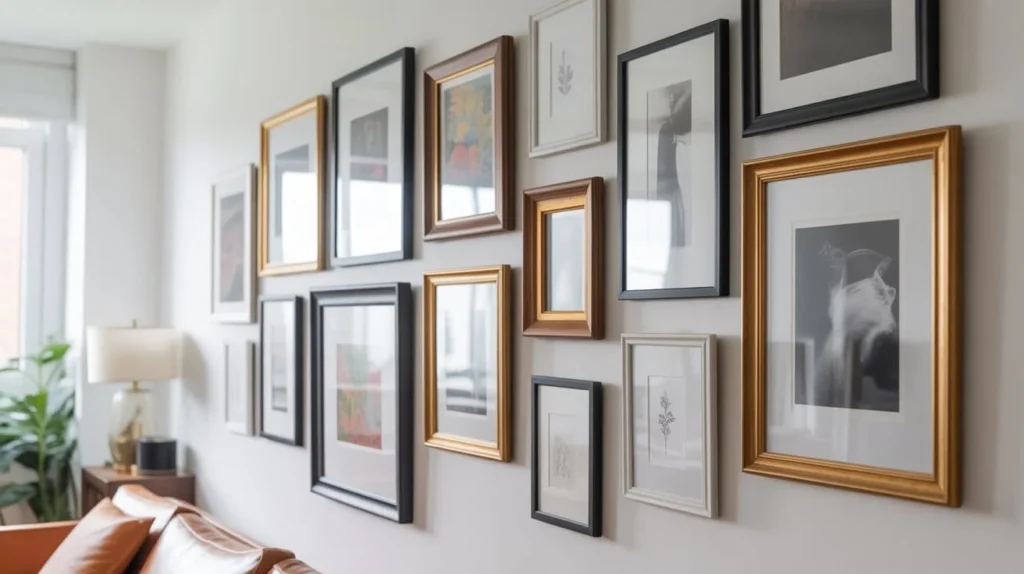
Many homeowners like to create gallery displays, which is why gallery wall framing becomes an important skill. gallery wall looks best then When the color, shape, or texture of the frames are in harmony with each other. The layout should be balanced, and the artworks should not visually compete with each other. Those who want a minimalist style often ask how to display art without a frame – and floating shelves or clip systems are very popular choices in modern interiors.
It is also important to hang framed art securely. Many people ask what is the safest way to hang framed art. – And the answer depends on the type of wall, the weight, and the hanging system used. Choosing sturdy hooks, anchors, and stable locations on the wall helps prevent falls or accidental damage.
Frame finishes, moldings and colors
The finish of the frame has a profound effect on how the artwork blends into the atmosphere of the room. Frames with darker colors create a dramatic impression in the art, lighter frames make it feel more open and soft, while metallic frames give a sense of beauty and sophistication.
It is therefore important to understand the different frame finishes and colors as well as frame molding styles. So that the right personality and style can be chosen for each artwork. Large paintings require strong moulding, while small prints require fine frames.
Case Study: How Proper Picture Framing Saved a Valuable Artwork
A collector had a watercolor that had suffered damage through fading and warping due to being displayed in a room (sunny hallway) for several years without glazing. The paper was yellow and had ripples of moisture on it. An experienced framer restored the item by re-stretching the paper, using acid-free materials for framing, using UV (protection from Ultraviolet) protective glass, and using natural cotton rag mat for backing.
Once the piece was framed properly (with correct protection from light), the original brightness returned and clearly demonstrated that the correct type and framing method is essential for protection over time.

Final Thoughts on Choosing the Best Frame for Artwork
Choosing the right frame is a mixture of art and science. Understanding how to choose the right frame, selecting the best frame for different types of artwork, knowing whether acrylic paintings should be framed under glass, and learning about types of picture frame materials make the process much easier. Frames are not only decorative; they protect your art from aging, fading, and environmental damage. Whether you are framing a delicate paper piece, a bold oil painting, a sentimental photograph, or a modern abstract artwork, using high-quality materials, proper glazing, and expert mounting ensures your artwork stays beautiful for many years.