
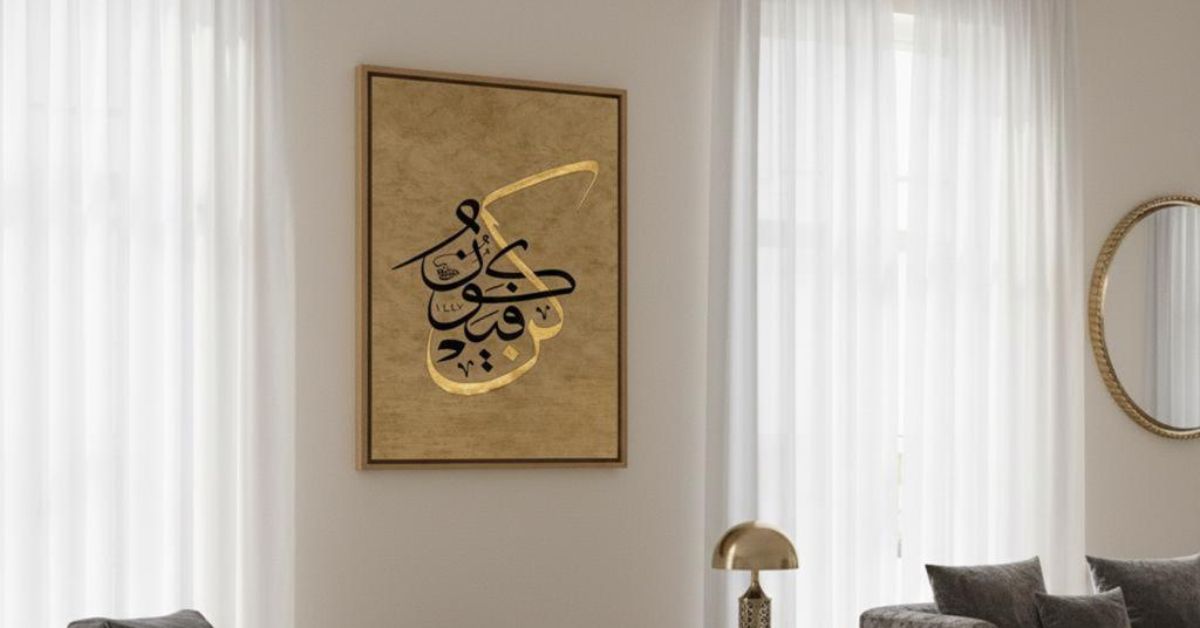
Arabic calligraphy wall art can add meaning, character and visual interest to a room. From flowing Arabic lettering to structured geometric scripts, each style creates a different atmosphere. The right artwork should complement your interior, suit the available wall space and communicate a message you appreciate.
If you are choosing Arabic calligraphy artwork for your home, consider more than its colour or frame. The script, text, size, material and placement all affect how it looks and how respectfully it can be displayed.
1. Understand the Different Arabic Calligraphy Styles
Before choosing an artwork, explore the main Arabic calligraphy styles. Each has its own appearance, history and visual character.
- Kufic: Recognised for its angular, structured letterforms. It works well in contemporary interiors and designs with geometric details.
- Naskh: Known for its clear and balanced lettering. Its readability makes it suitable for compositions where the written text is important.
- Thuluth: Features elegant, elongated letters and sweeping curves. It is often used in decorative compositions and architectural inscriptions.
- Diwani: Has flowing, closely connected letters that create an ornate appearance. It can make a wall display feel detailed and expressive.
- Ruq’ah: Generally has a simpler, compact appearance and can suit understated designs.
Think about the atmosphere you want to create. Kufic may complement a minimalist room, while Thuluth or Diwani can become a more decorative focal point. You can explore the different types of Islamic calligraphy to understand their characteristics before making a selection.
2. Choose a Meaningful and Appropriate Text
The message is just as important as the visual design. Arabic calligraphy can feature Quranic verses, religious phrases, poetry, names or other Arabic words. Not every Arabic calligraphy artwork is religious, so check the meaning and source of the text before purchasing it.
If you cannot read Arabic, ask the artist or seller for an accurate translation and confirmation of the spelling. This is particularly important when the design uses stylised lettering, overlapping words or decorative compositions that may be difficult to read.
For Quranic verses and other sacred text, also consider how the artwork will be displayed and maintained. Scholarly opinions differ on displaying Quranic verses as wall decoration. Some authorities permit it with conditions of respect and protection, while others discourage decorative use. If this is a concern, consult a trusted religious scholar and choose a display location where the text will not be exposed to disrespect.
3. Select the Right Size for Your Wall
The artwork should fit the wall rather than compete with the room. A piece that is too small may look disconnected, while an oversized design can make a compact space feel crowded.
Use these practical guidelines:
- Above a sofa: Choose a horizontal piece that relates proportionally to the sofa’s width.
- Above a console table: A medium-sized framed design can create a balanced arrangement.
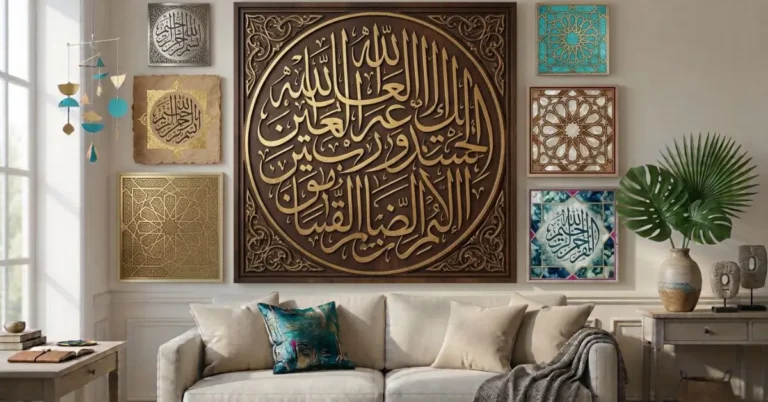
- Large feature wall: Consider one statement artwork or a carefully arranged group of matching pieces.
- Small wall or narrow area: Choose a compact design with clear lettering and enough surrounding space.
Before ordering, measure the wall and mark the proposed artwork dimensions with painter’s tape. This gives you a better idea of how the finished piece will look.
4. Match Colours with Your Interior
Colour helps Arabic calligraphy wall art feel connected to the rest of your home. Look at your wall paint, furniture, flooring, lighting and existing decorative details before choosing a palette.
For a neutral interior, black, white, beige and soft metallic tones can create a refined look. In a room with darker furniture, gold or lighter lettering may provide contrast. If your space already includes strong colours and patterns, a simpler calligraphy design may create better visual balance.
You do not need to match every colour exactly. Instead, choose one or two tones that complement the room without making the artwork difficult to read.
5. Consider the Material and Finish
The printing or display material affects the artwork’s appearance, texture and suitability for a particular room.
Common options include:
- Canvas: Offers a textured, art-like finish and can suit living rooms, bedrooms and other indoor spaces.
- Acrylic: Provides a smooth, contemporary appearance with a clean finish.
- Fine art paper: Can reproduce detailed lettering and subtle colour variations, especially when paired with a suitable frame.
- Framed prints: Add a defined border and help protect the printed artwork.
Consider the artwork’s design when choosing a material. Fine lettering may benefit from a finish that preserves detail and contrast. For a more contemporary look, acrylic can be an option, while canvas may suit a softer decorative style. Explore canvas printing services in Dubai, acrylic printing services, and fine art printing services to compare suitable display options.
6. Choose the Best Placement in Your Home
Think about the room’s purpose and the way people use the space. A well-positioned artwork should be easy to appreciate without being exposed to avoidable damage.
Living room: Place a suitable design on a main feature wall or above a sofa. Keep enough space around it so the lettering remains visually clear. For more inspiration, explore Islamic wall art ideas and Islamic wall art display ideas.
Bedroom: Choose a calm, balanced composition that works with the room’s colours and furniture. Avoid overcrowding the wall with too many decorative elements.
Entrance or hallway: A carefully selected piece can create a welcoming first impression. Make sure it is mounted securely and positioned away from areas where it may be knocked.
Majlis or sitting area: Larger calligraphy artwork can complement traditional furniture, patterned textiles and architectural details. Choose a size and style that suit the overall arrangement.
7. Balance Traditional Calligraphy with Modern Interiors
Arabic calligraphy can work in both traditional and contemporary homes. The key is to balance the artwork with the room’s existing design.
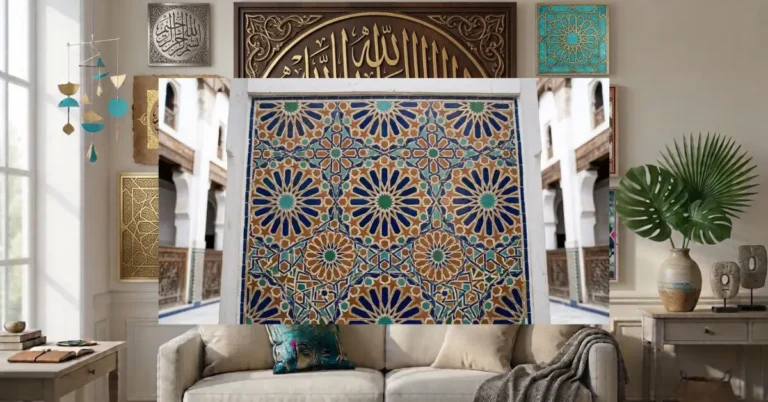
In a minimalist space, a single piece with a simple background can become the main focal point. In a traditional interior, detailed calligraphy may complement decorative frames, warm colours and patterned furnishings. You can also combine calligraphy with geometric artwork, provided the two designs do not compete for attention.
For further inspiration, read about Islamic art in modern interior design and how traditional artwork can complement contemporary spaces.
8. Explore Arabic Calligraphy Wall Art in Dubai
When selecting Arabic calligraphy wall art in Dubai, consider the artwork’s design, print quality, dimensions and available material options. It is helpful to review the design before production and confirm that the text, colours and final size are correct.
ArtPlus offers an Islamic Art Collection for people exploring Islamic-inspired artwork for their interiors. You can also compare different printing finishes to find an option that suits your wall and decorative style.
Choose Calligraphy That Complements Your Home
The best Arabic calligraphy wall art brings together a meaningful design, suitable lettering, balanced proportions and a finish that works with your interior. Take time to understand the text, compare styles and measure your wall before choosing the final piece.
Explore the ArtPlus Islamic Art Collection for artwork inspiration and discover printing options that can help bring your selected design into your home.
Looking for artwork for your interior? Contact ArtPlus to discuss your requirements.
Frequently Asked Questions
What is Arabic calligraphy art called?
It is generally called Arabic calligraphy, or khatt in Arabic. When used in religious and cultural artwork, it may also be described as Islamic calligraphy. The terms are related, but Arabic calligraphy is not always religious in content.
Is Arabic calligraphy allowed in Islam?
Arabic calligraphy as a writing art is distinct from the question of displaying particular religious texts. Scholarly opinions differ about hanging Quranic verses for decoration. Some authorities allow it when the text is treated respectfully and protected from disrespect, while others discourage this practice. For a personal religious ruling, consult a qualified scholar you trust.
What is Islamic wall art?
Islamic wall art is a broad term for artwork inspired by Islamic culture and artistic traditions. It can include Arabic calligraphy, geometric patterns, arabesque designs and other decorative forms. Some pieces contain religious text, while others are inspired by traditional visual styles.

Pingback: 9 Beautiful Islamic Wall Art Ideas for Modern Homes
Pingback: 6 Types of Islamic Calligraphy: Kufic, Naskh & Thuluth
Pingback: Islamic Geometric Patterns: Meaning, Types & Design