
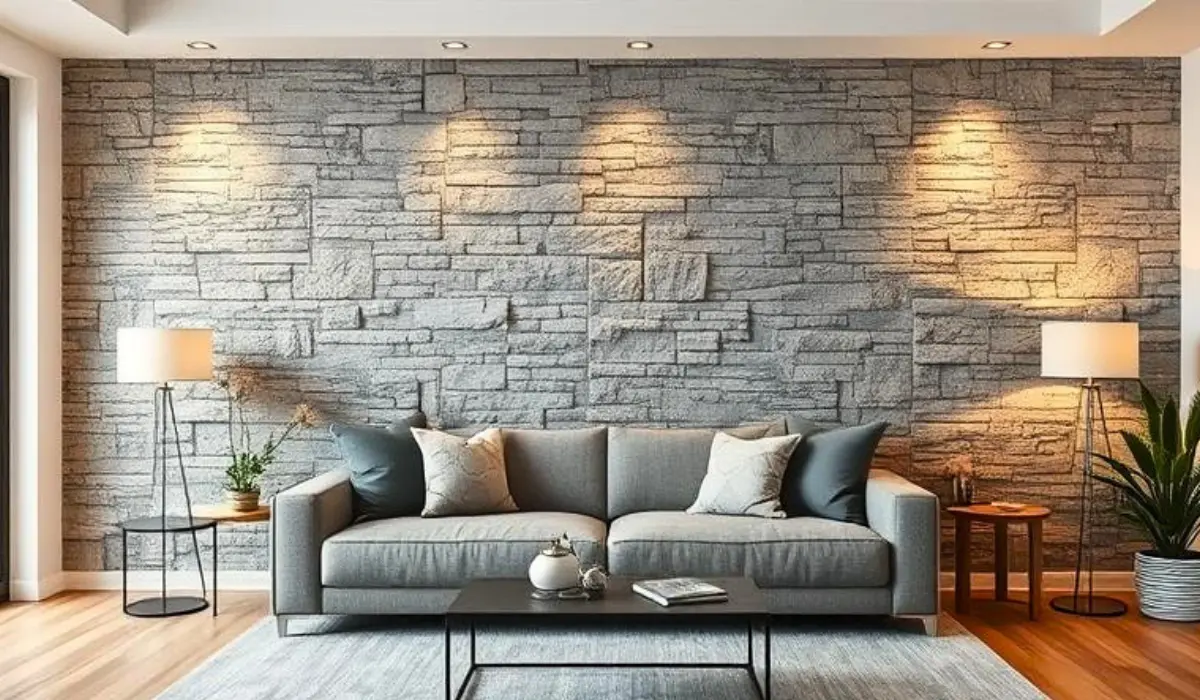
Table of Contents
- What Are Stone Imitation Wall Panels?
- Why Choose Stone Imitation Wall Panels for Interior Design?
- Where to Use Stone Imitation Wall Panels in Interiors
- How to Install Stone Imitation Wall Panels
- Stone Imitation vs Real Stone: Key Differences
- How Long Do Fake Stone Wall Panels Last?
- Common Mistakes to Avoid
- Maintenance Tips for Long‑Term Durability
- Conclusion
Stone imitation wall panels are lightweight, cost‑effective alternatives to real stone that mimic the look of slate, marble, or granite. They install easily with adhesive or click‑fit systems, resist moisture, and require almost no maintenance—perfect for UAE homes where humidity and temperature changes challenge natural materials.
I’ve specified faux stone panels for Dubai villas, office lobbies, and even cafés. The difference in installation time and cost compared to real stone is dramatic—and guests can rarely tell the difference. This guide explains why stone imitation wall panels are a smart choice for interior design, where to use them, and how to avoid common mistakes.
What Are Stone Imitation Wall Panels?
Stone imitation wall panels are decorative wall coverings made from polyurethane, PVC, high‑density foam, or resin. They are molded from real stone textures, then painted to replicate natural colors and veining. Unlike real stone, they are lightweight, flexible, and designed for easy DIY installation.
How long do fake stone wall panels last? Quality panels last 15–25 years indoors. They resist fading, cracking, and moisture when properly installed.
Why Choose Stone Imitation Wall Panels for Interior Design?
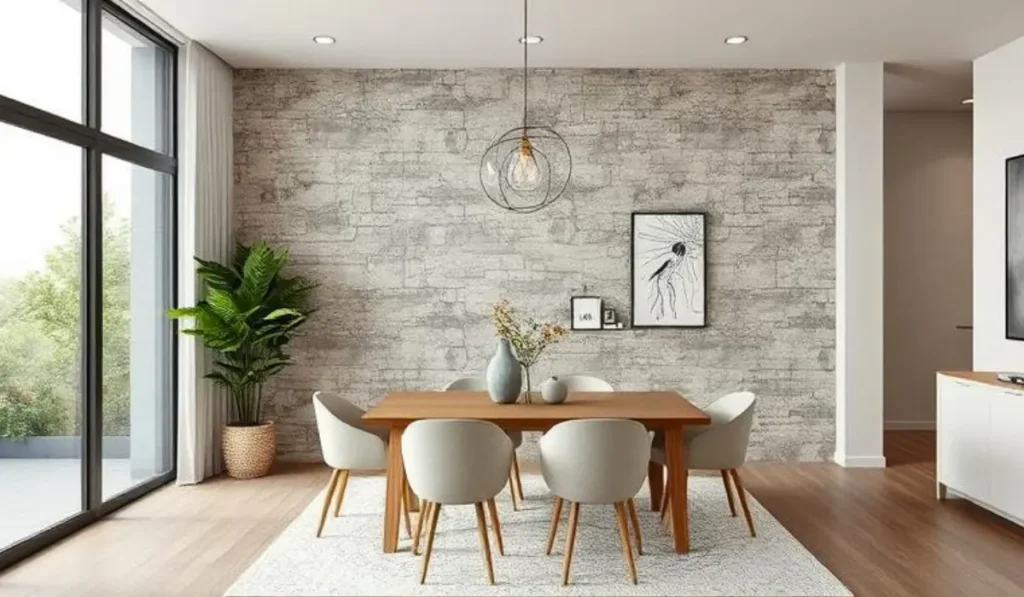
Here are the top reasons homeowners and designers in the UAE are switching to faux stone.
1. Cost-Effective and Budget-Friendly
Real stone is expensive to buy and install, while stone imitation wall panels for interior designs are far more affordable. They require less labor, and because they are lightweight, there is no need for structural adjustments. This makes them an ideal choice for homeowners or designers working with limited budgets but wanting an impressive finish.
2. Lightweight and Safe
Natural stone weighs 20–40 kg per square meter. Faux stone panels weigh 2–5 kg per square meter. No structural reinforcement needed – safe for drywall, plasterboard, and even rental apartments.
3. Quick and Mess‑Free Installation
Real stone requires cutting, mortar, levelling, and sealing. Faux stone panels use adhesive or interlocking systems. A 10m² wall can be completed in one afternoon with no dust, no mixing, and no heavy tools.
4. Wide Range of Finishes
Choose from:
- Slate – for rustic, industrial, or modern farmhouse styles.
- Marble – for elegant lobbies, bathrooms, or feature walls.
- Granite – for durable, speckled textures.
- Sandstone / Limestone—for warm, Mediterranean, or desert aesthetics.
For a deeper look at how cost-effective stone imitation interior design can be, check out our detailed guide on creating affordable luxury.
5. Low Maintenance and Humidity Resistant
Real stone is porous and needs sealing every 1–2 years. Faux stone panels are non‑porous—wipe with a damp cloth. Explore how professional artificial stone printing can transform your next interior project with lightweight, realistic panels. In UAE bathrooms and kitchens, they resist mould, humidity, and temperature swings.
Ready to Transform Your Walls with Faux Stone?
Choose from slate, marble, or granite imitation panels – lightweight, DIY‑friendly, and delivered across the UAE. Get a free sample and design consultation.
Go to Stone ImitationWhere to Use Stone Imitation Wall Panels in Interiors
| Space | Best Application | Why It Works |
| Living room | TV feature wall or fireplace surround | Creates a focal point without weight |
| Bedroom | Headboard wall | Adds hotel‑style luxury |
| Dining area | Accent wall behind table | Warm, inviting atmosphere |
| Office / Study | Wall behind desk | Professional, textured backdrop |
| Bathroom | Vanity wall or shower niche | Water‑resistant (check product specs) |
| Hallway | Long wall cladding | Transforms a corridor into a design feature |
How to Install Stone Imitation Wall Panels
What are fake stone wall panels made of? Most are polyurethane or PVC. Here’s how to install them
Step 1: Prepare the wall
Clean, dry, and smooth. Fill holes and sand bumps. For bathrooms, use a moisture‑resistant primer.
Step 2: Plan your layout
Dry‑fit panels on the floor first. Mix panels from different boxes to blend colour variations.
Step 3: Cut panels
Use a fine‑tooth saw or utility knife (for foam panels). Measure twice, cut once. Cut from the back side to keep the front clean.
Step 4: Apply adhesive
Use a strong construction adhesive (e.g., Liquid Nails or PL Premium). Apply dots or wavy lines—not too close to edges to avoid squeeze‑out.
Step 5: Press and hold
Press the panel firmly. Use a level to ensure straightness. For heavy panels, use temporary supports or painter’s tape while the adhesive cures (24 hours).
Step 6: Fill seams (optional)
Some panels come with color‑matched caulk. Fill small gaps between panels for a seamless look.
Step 7: Seal (optional)
For bathrooms or kitchens, apply a clear acrylic sealer to waterproof the surface.
A client in Abu Dhabi wanted a rustic stone wall for her living room TV area. Real stone would have required a full week of professional installation. Faux slate panels were installed in a single day by her husband, and two years later, the panels still look brand new – no fading, no cracks.
Stone Imitation vs Real Stone: Key Differences
| Feature | Stone Imitation Panels | Real Stone Cladding |
| Cost per m² (UAE) | imitation panels are budget-friendly | Real stone is significantly more expensive |
| Weight per m² | 2–5 kg | 20–40 kg |
| Installation | DIY (adhesive) | Professional (mortar) |
| Installation time (10m²) | 1 day | 3–5 days |
| Maintenance | Wipe clean | Seal yearly |
| Suitability for drywall | Yes | No (needs reinforcement) |
| Colour consistency | Uniform | Natural variation |
| Real stone texture | Very good (moulded) | Perfect |
How Long Do Fake Stone Wall Panels Last?
How long do fake stone wall panels last? Premium polyurethane panels last 15–25 years indoors. They resist UV fading, cracking, and moisture if installed correctly. Cheaper PVC panels may yellow or warp in direct sunlight. Always check the manufacturer’s warranty.
Common Mistakes to Avoid
When using stone imitation wall panels for interior design, avoid these errors:
- Choosing the wrong color tone for room lighting
- Poor surface preparation before installation
- Mixing too many textures in one space
- Ignoring waterproof options for kitchens or bathrooms
Not measuring properly before cutting panels.
Maintenance Tips for Long‑Term Durability
- Dust weekly with a soft microfiber cloth or vacuum with a brush attachment.
- Clean spills immediately—wipe with a damp cloth and mild soap.
- Avoid abrasive cleaners – no bleach, scouring pads, or pressure washers.
- Check seams every 2 years – reapply caulk if needed.
- For outdoor use (covered patios), add a UV‑protective clear coat.
quotable lines
“Real stone is heavy, expensive, and needs a structural engineer. Faux stone gives you the same drama with a screwdriver and a weekend.”
“In the UAE’s humidity, real stone can sweat and stain. Faux stone just smiles.”
“Real stone is heavy, expensive, and needs a structural engineer. Faux stone gives you the same drama with a screwdriver and a weekend.”
“In the UAE’s humidity, real stone can sweat and stain. Faux stone just smiles.”
Conclusion
Stone imitation wall panels offer the timeless beauty of natural stone without the cost, weight, or maintenance headaches. They are ideal for UAE homes and commercial spaces where humidity, heat, and budget matter. With a wide range of textures, easy DIY installation, and a lifespan of 15–25 years, they are a smart investment for any interior project. For premium-quality faux stone panels in Dubai and across the UAE, contact ArtPlus.
Ready to Transform Your Walls with Faux Stone?
Choose from slate, marble, or granite imitation panels – lightweight, DIY‑friendly, and delivered across the UAE. Get a free sample and design consultation.
Go to Stone ImitationFAQs
Quality polyurethane panels last 15–25 years indoors, longer than most paint or wallpaper. Cheap PVC may yellow in 5–10 years.
Clean the wall, cut panels to size, apply construction adhesive, press panels into place, and fill seams with colour‑matched caulk. No mortar or special tools needed.
They are typically polyurethane (light, flexible, durable), PVC (waterproof, budget), or high‑density foam (soft, for low‑impact areas).
Yes, if they are labelled water‑resistant or waterproof. PVC panels are ideal for wet areas. Polyurethane needs a sealer for showers.
Some are made from recycled materials and are themselves recyclable. Polyurethane panels have lower carbon footprint than quarrying real stone.
