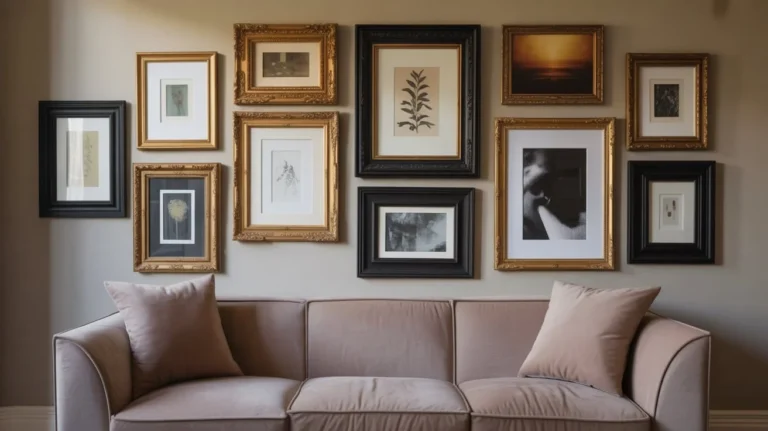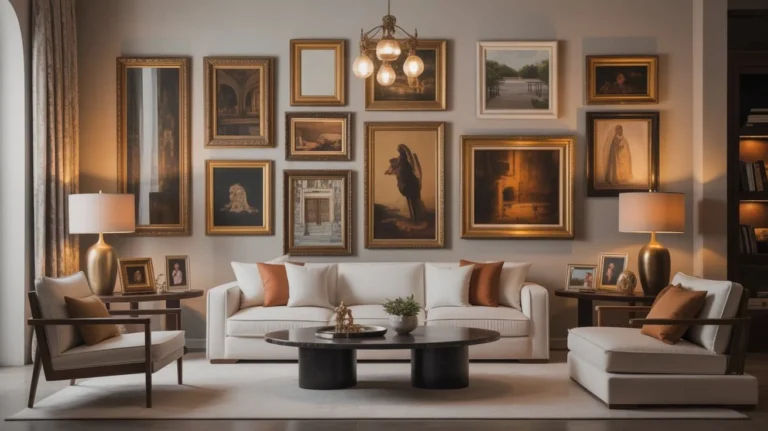
Navigating picture frame selection can feel overwhelming, but finding the right frame for your artwork is the secret to unlocking its full potential. The perfect frame serves two essential purposes: enhancing visual appeal and ensuring long-term artwork preservation. Your choice of materials, whether classic wood frames for timeless warmth or sleek metal frames for a modern edge, dramatically impacts the final look.
This is especially critical for valuable fine art prints that demand expert care. Beyond aesthetics, a quality frame provides crucial artwork protection against dust and light damage. By carefully considering your unique display environment, from humid bathrooms to sunlit living rooms, you can make a confident choice that protects your investment and transforms your space.
Why Framing Matters More in the UAE
A frame is far more than a decorative border; it is an essential investment in artwork preservation. In the UAE, your art faces unique challenges: constant air conditioning, pervasive dust, and intense, year-round sunlight.
A quality frame acts as a shield. It protects your piece from these elements while also serving a design purpose by giving the artwork a defined space to shine. Without it, even the most beautiful piece can get lost against the wall. When you start your picture frame selection, remember you are investing in both protection and presentation.
The Dual Purpose of a Frame in the UAE Climate
| Purpose of Framing | Why It Matters in the UAE |
| Artwork Protection | Shields from dust, humidity, and rapid temperature changes from AC. |
| UV Defense | Prevents fading and discoloration from our strong Gulf sunlight. |
| Visual Impact | Defines the art and enhances your modern or traditional interior décor. |
| Structural Support | Keeps paper, canvas, and other materials safe, flat, and warp-free. |
How to Match Your Frame to the Artwork’s Style
The artwork itself should always be your number one guide. Let the art lead the way to achieve perfect harmony.
- For Traditional Pieces: A heritage piece or landscape painting often looks best in rich, ornate wood frames that echo classic styles.
- For Modern Art: A bold, abstract piece typically shines in a sleek, minimalist metal frames that won’t compete for attention.
- Color and Mood: Does the art feel soft and romantic? A distressed wooden frame could be lovely. Is it sharp and graphic? A clean black or white frame will keep it looking crisp.
Your goal is a balanced partnership where the frame complements the art without overpowering it.
Choosing the Best Frame Material for Different Types of Art
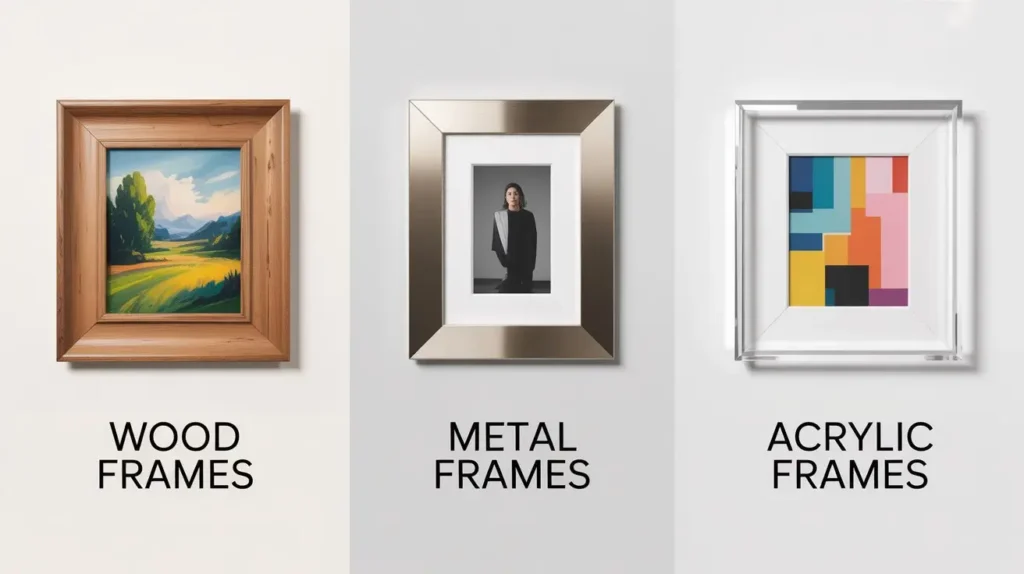
Your choice of material is a big decision, especially in our climate. Here’s how to choose the right frame for your artwork based on the material.
Wood Frames
They offer timeless warmth and are fantastic for oils, family portraits, and works on paper. Wood brings a natural, cozy feel to any room and complements both traditional and modern spaces beautifully. This classic option remains popular because it never goes out of style.
Metal Frames
These are perfect for achieving a clean, minimalist look in your Abu Dhabi office or Dubai apartment. They are strong, lightweight, and ideal for posters, contemporary art, and photography. Metal frames give your space an instant update with their sleek profiles and sharp lines.
Acrylic Frames
Lightweight and shatterproof, acrylic frames are the brilliant choice for kids’ rooms, busy hallways, and high-traffic areas. They offer all the clarity of glass without the danger or the weight, making them easy to hang and safe for everyone.
Getting the Size and Proportion Right
Proper sizing and proportioning of elements becomes essential for achieving a balanced aesthetic. A tiny sketch can look lost in a massive frame, while a large canvas might feel cramped with a super skinny border.
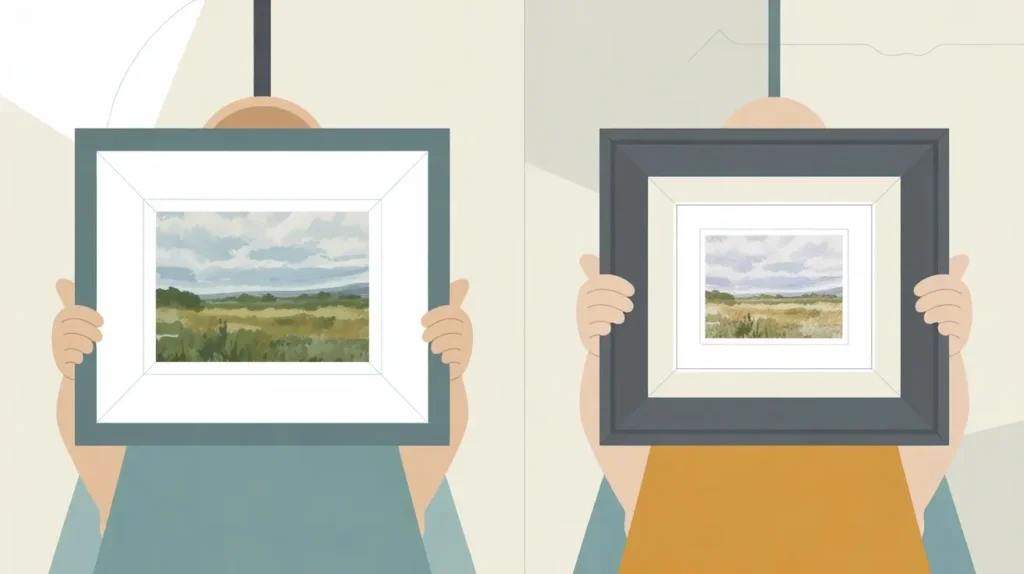
Your artwork requires you to assess its visual weight. The heavier visual elements of an intense image can withstand wider frames because this frame size creates a stable, permanent appearance. Slim frames provide appropriate support for lighter, airier pieces because they maintain their original appearance. The proper balance between elements leads to a perfect result.
Matting Options to Enhance Your Artwork
The process of matting provides your artwork with its own dedicated area, which exists separately from its surroundings. The border functions as a protective barrier that separates the artwork from the glass display through its use of cardboard and paper materials.
The first function of the system protects artwork surfaces by stopping glass contact, which would cause moisture damage and permanent adhesion. The artwork creates a visual impact that attracts the viewer to its central point of interest. For valuable or delicate pieces like fine art prints, always insist on acid-free matting to prevent yellowing or damage.
Choosing the Right Mat Type
| Mat Type | Best Application |
| Single Mat | Clean, classic look for most photos and prints. |
| Double Mat | Adds depth, color contrast, and a more luxurious feel. |
| Cotton Rag Mat | Top-tier, museum-quality preservation for valuable fine art prints. |
How to Consider Your Display Environment
Before you fall in love with a frame, think about where it will live. The room’s display environment is a huge factor in your decision.
- For a bright, sunny living room: You absolutely need UV-protective glass or acrylic to stop your art from fading. This is a critical part of artwork protection.
- For humid areas (bathroom, kitchen): Avoid paper-based art and opt for sealed metal frames with digital prints on durable materials.
- For your existing décor: A sleek, modern apartment might call for minimalist frames, while a spacious villa could handle grand, ornate styles.
Framing for Different Print Types
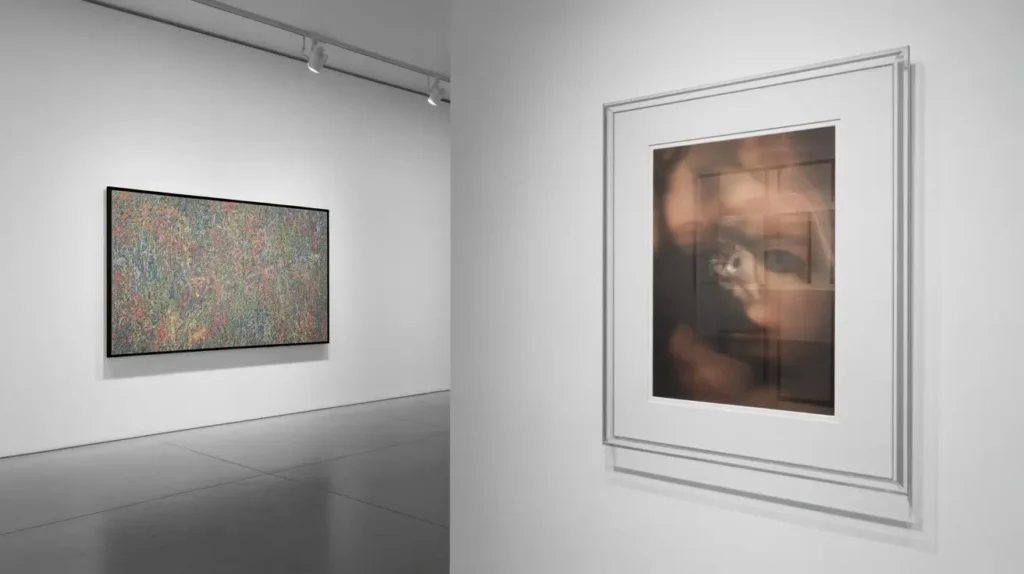
Not all art is created equal, and the medium often dictates the framing style.
- For Canvas Prints: Consider a floating frame. This style creates a small gap between the canvas and the frame, making the art appear to hover weightlessly on the wall. It adds amazing depth and a contemporary, gallery-like feel.
- For Photographs and Fine Art Prints: Your priority should be artwork protection. Use museum-quality UV glass to lock in those vibrant colors and prevent any fading from light exposure. This is essential for preserving valuable fine art prints for generations.
3 Common Framing Mistakes to Avoid
Avoid these common pitfalls to save money and ensure your art looks its best.
- Hanging Art Too High: The viewer needs to see the artwork at eye level because this height establishes an emotional bond with them. The center of the piece should be roughly 57-60 inches from the floor.
- Skimping on Materials: Artists who use cheap, non-archival supplies will face permanent art damage because these materials lead to yellowing and warping. Artists should buy high-quality materials because these materials will protect their artwork from damage.
Ordering Frames Online Without Samples: The use of frame samples is necessary for online ordering because screen colors and textures do not match physical materials. Always try to see a physical sample or shop in person when possible, especially for valuable fine art prints.
Conclusion
The final result of framing shows your love for the artistic work that you hold most dear. Your pieces will remain beautiful for future generations when you learn to match styles and select durable wood and metal frames according to your specific display needs. Family photos and fine art prints require the correct frame, which protects the artwork while improving your home’s appearance. A carefully selected frame system provides both protection and daily aesthetic pleasure to your residence while safeguarding your important memories, which will remain alive for future generations.
Frequently Asked Questions (FAQ)
What is the best frame material to use in the UAE’s humid climate?
For high-humidity areas like bathrooms or kitchens, avoid paper-based art. Digital prints should be printed on durable materials, while artists should use sealed metal frames or acrylic frames because these options resist warping better than wood. The system provides optimal artwork protection because it survives difficult display situations.
Do I really need special glass to protect my art from the sun?
Yes, absolutely. The intense UAE sunlight can quickly fade inks and damage paper, especially for valuable fine art prints. The use of UV-protective glass or acrylic material becomes essential for protecting artworks that will be displayed in spaces that receive natural light.
What does “acid-free” matting mean, and why is it important?
The process of creating acid-free matting requires materials that maintain a neutral pH balance. The standard mat board contains acids, which cause yellowing and brittleness that lead to long-term damage to your artwork. The proper preservation of valuable or sentimental items requires this method to protect fine art prints.
What is a floating frame?
A floating frame is a type of frame designed for canvas or thick panels. The frame produces a narrow space that separates the artwork’s edge from the frame perimeter, creating an effect that makes the artwork appear to float inside the frame. The design serves as an ideal selection for contemporary gallery displays because it complements both wooden and metal frame designs.
How high should I hang my framed artwork?
As a general rule, artwork should be hung so that its center is approximately 57 to 60 inches from the floor. This is considered average eye level and creates a comfortable viewing experience. This applies regardless of whether you choose wood frames or metal frames during your picture frame selection.
What is the difference between artwork preservation and artwork protection?
Artwork protection refers to the physical shielding of art from immediate threats like dust, impact, and direct contact. Artwork preservation is a broader, long-term strategy that includes using acid-free materials, UV glass, and climate control to prevent deterioration over decades, which is especially important for valuable fine art prints.