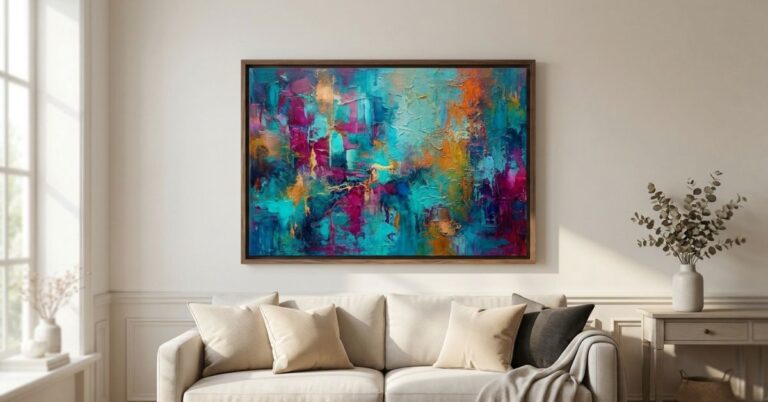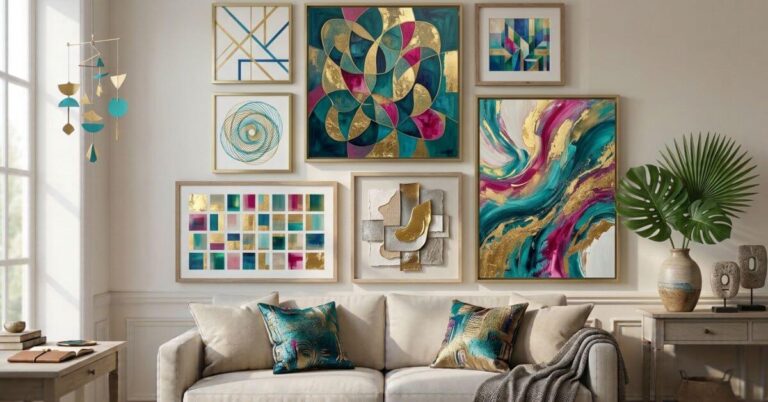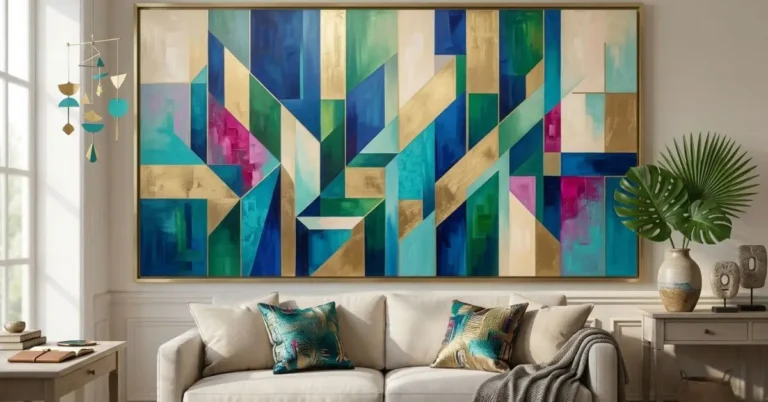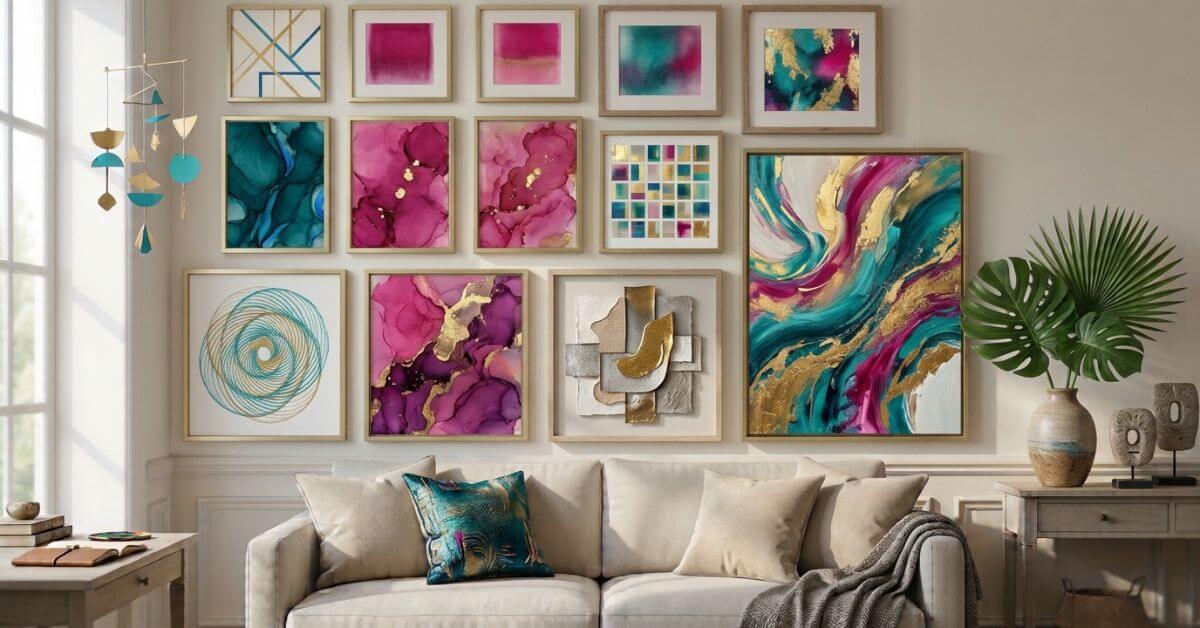
Choosing abstract artwork for your home can feel challenging, especially when there are so many colours, patterns, shapes and artistic styles available. The right piece can bring personality to an empty wall, complement your furniture and create a more balanced interior. However, selecting artwork should involve more than simply choosing a painting that looks attractive.
To make the right choice, consider the room’s existing colour palette, available wall space, furniture arrangement and overall interior style. You should also think about the artwork’s composition, frame and material.
Whether you are decorating a living room, bedroom, dining area or office, this guide explains how to choose abstract art that works naturally with your space.
1. Start with Your Room’s Colour Scheme
Colour is one of the first things to consider when selecting abstract artwork. A painting can introduce new colours into a room or bring together shades already present in the furniture, rugs, cushions and decorative accessories.
Start by identifying two or three dominant colours in your interior. Then look for artwork that complements those shades.
Here are three practical approaches:
- Matching colours: Choose artwork that includes colours already used in your room for a coordinated appearance.
- Complementary colours: Select contrasting shades to create visual interest without making the room feel unbalanced.
- Neutral artwork: Choose beige, grey, white or muted tones when you want a calm and understated look.
For example, a living room with cream walls, beige furniture and wooden accents may suit abstract artwork featuring earthy browns, soft whites and muted greens. A modern interior with darker furniture could benefit from stronger colours such as blue, black or ochre.
The goal is not to match every colour perfectly. Instead, choose artwork that connects naturally with the room.
2. Choose the Right Artwork Size
The size of your artwork affects how balanced the entire room feels. A small painting on a large empty wall may look disconnected, while an oversized piece can overwhelm a compact space.
Before purchasing or printing artwork, measure the wall and consider the furniture underneath it.
Use these general guidelines:
- Small artwork: Suitable for narrow walls, shelves, bedside areas and smaller decorative spaces.
- Medium artwork: Works well above desks, small sofas, sideboards and bedroom furniture.
- Large artwork: Creates a strong focal point above larger sofas, dining tables and spacious walls.
- Multiple artworks: Suitable for creating a coordinated arrangement when one piece does not provide enough visual coverage.
When placing artwork above a sofa or console, a useful starting point is to select a piece around two-thirds to three-quarters of the furniture’s width. This is a design guideline rather than a strict rule, so adjust according to the room and composition.
Measure the available wall area before making your final decision. This simple step can help prevent artwork from looking too small or too dominant.
3. Select an Abstract Art Style That Matches Your Interior
Abstract artwork comes in many styles, from simple geometric compositions to expressive paintings with bold colours and irregular shapes. Understanding these differences can make choosing artwork easier.
Consider these popular approaches:
Geometric Abstract Art
Geometric artwork uses structured shapes, lines, circles and patterns. It is a good option for interiors with clean furniture, modern finishes and organised layouts.
Minimalist Abstract Art
Minimalist artwork uses limited colours, simple compositions and plenty of visual space. It works particularly well in contemporary interiors where you want decoration without creating a busy appearance.
Colourful Abstract Artwork
Bold abstract paintings can introduce energy and personality into neutral rooms. They may include contrasting colours, layered shapes and expressive compositions.
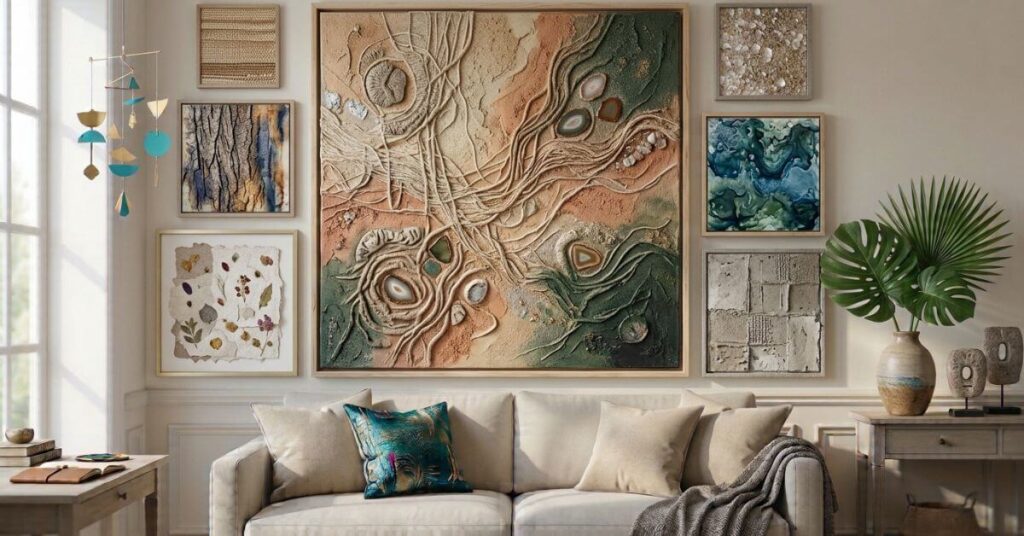
Organic and Textured Abstract Art
Organic compositions feature flowing shapes and natural-looking forms. Textured artwork can add depth and visual interest, making it suitable for interiors that need a more distinctive decorative element.
If you are unsure which style suits your room, explore different types of abstract art before making a decision. You can also look at modern abstract art ideas to understand how different compositions work in contemporary interiors.
4. Consider the Room Where You Will Display It
The same artwork may create different effects depending on where it is displayed. Think about the purpose and atmosphere of each room before selecting a design.
Living Room
The living room is often the best place for a statement artwork. Consider a larger composition that complements your sofa, wall colour and furniture arrangement. If you want additional inspiration, explore ideas for abstract wall art for living room spaces.
Bedroom
Bedrooms generally benefit from artwork that creates a calm and comfortable atmosphere. Soft colours, gentle shapes and balanced compositions can work well above a bed or on an empty side wall.
Dining Area
Abstract artwork in a dining area can introduce colour and character. Choose a design that complements the dining furniture without competing with other decorative elements.
Home Office
For a home office, consider artwork that reflects your preferred working environment. Minimalist compositions and balanced colour combinations can help create a visually organised space.
5. Decide Between Canvas, Acrylic and Other Materials
The material and finish of your artwork influence its appearance, texture and overall presentation. Before choosing a final design, consider how the printed artwork will fit into your interior.
Some popular options include:
- Canvas: Offers a classic art-inspired appearance and works well with both traditional and contemporary interiors.
- Acrylic: Provides a smooth, modern finish that can make colours appear vibrant.
- Framed prints: Add a defined border and help create a more finished presentation.
- Fine art printing: Can be suitable for detailed artwork and reproductions where print quality and presentation are important.
If you want to display a digital design or reproduction, professional canvas printing can help bring the artwork to life on a canvas surface. For a sleek contemporary appearance, acrylic printing is another option worth considering.
Choose the material based on the artwork, room design and finish you prefer rather than selecting a material simply because it is popular.
6. Think About Framing and Placement
A frame can change how abstract artwork looks within a room. The right frame adds definition and helps connect the artwork with surrounding furniture and decorative details.
Consider these options:
- Black frames: Work well with monochrome artwork and modern interiors.
- White frames: Create a clean appearance and suit light-coloured spaces.
- Natural wood frames: Complement warm interiors and earthy colour palettes.
- Metallic frames: Can add a refined detail when used with suitable artwork.
You should also consider the artwork’s placement. Hang it where it can be viewed comfortably, avoid overcrowding it with nearby decorations and allow enough space around the piece.
For multiple artworks, plan the arrangement before hanging them. If you are creating a larger display, our guide on an abstract art gallery wall can help you plan the layout.
7. Balance Personal Preference with Interior Design
Interior design guidelines can help you make decisions, but your personal taste should remain important. Abstract artwork does not need to represent a recognisable object or follow a particular colour trend to be meaningful.
Ask yourself a few questions before choosing:
- Does the artwork appeal to me?
- Does it complement the room’s existing colours?
- Is its size suitable for the available wall?
- Does the style fit the atmosphere I want to create?
- Will I still enjoy looking at it over time?
You do not need to choose artwork simply because it matches a current trend. A piece that reflects your personality and works with your interior is often a more satisfying long-term choice.
8. Explore Abstract Artwork for Your Space
Once you understand the colours, sizes, styles and materials that suit your room, you can start exploring artwork options.
The ArtPlus Abstract Art Collection offers inspiration for finding abstract designs that complement different interior preferences. You can also explore the wider ArtPlus Artworks Collection to discover other artwork styles and ideas.
When selecting a design for printing, consider its dimensions, colour quality and intended display location. These details can help you achieve a more cohesive final result.
Frequently Asked Questions
How to Choose the Right Abstract Artwork for Your Home?
Start with your room’s colour scheme, available wall space and interior style. Then choose an artwork size, composition and material that complement the surrounding furniture and decoration.
Should abstract artwork match the furniture?
It does not need to match exactly. Artwork can complement existing colours or introduce a contrasting shade that creates visual interest. The important thing is maintaining a balanced overall appearance.
What size abstract artwork should I choose?
Choose a size based on the available wall space and the furniture nearby. Larger walls can accommodate statement pieces, while smaller spaces may look better with medium or compact artwork.
Is abstract canvas art suitable for modern interiors?
Yes. Abstract canvas art can complement modern interiors through geometric patterns, expressive compositions, neutral shades and bold colour combinations.
Which colours work best in abstract wall art?
There is no single best colour combination. Neutral tones create a calm appearance, while bold colours introduce contrast and energy. Choose shades that work with your room’s existing palette.
Final Thoughts
Choosing abstract artwork becomes easier when you consider the complete room rather than focusing only on the painting. Colour, size, artistic style, material, framing and placement all contribute to the final result.
Take time to compare different designs and consider how each piece will look within your interior. With the right selection, abstract artwork can become a meaningful focal point and bring greater character to your home.