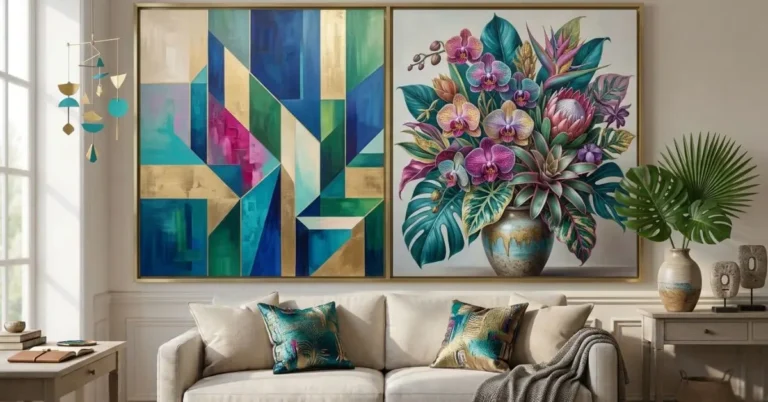
Choosing the right material is an important part of producing professional artwork. Even when the same image is printed using the same printer, the final result can look quite different depending on whether it is printed on fine art paper or canvas.
Fine art paper can provide a smooth or textured surface with detailed image reproduction, while canvas offers a fabric-like appearance that can create a traditional painted-art effect. Both materials have advantages, and the right option depends on the artwork, display location and preferred presentation.
Understanding fine art paper vs canvas can help artists, photographers and homeowners select a material that complements their creative work.
What Is Fine Art Paper Printing?
Fine art paper printing uses specialist paper designed for artistic and photographic reproduction. These papers are available in different textures, weights and surface finishes, including smooth, matte and textured options.
Some fine art papers are made from cotton or other high-quality fibres. Their surface characteristics can influence how colours, shadows and fine details appear in the final print.
Fine art paper is commonly used for:
- Fine art photography and landscape prints
- Digital illustrations and drawings
- Reproductions of paintings
- Limited-edition artwork
- Gallery and exhibition displays
It is particularly suitable when fine details, subtle colour transitions and a refined surface are important to the artwork.
What Is Canvas Printing?
Canvas printing reproduces digital images and artwork on canvas material, which has a woven fabric texture. The texture gives prints a different appearance from traditional paper-based artwork.
Canvas is often used for decorative wall art, photographic displays and reproductions of paintings. Depending on the material and printing process, it can create a visual effect similar to traditional canvas artwork.
Canvas prints can also be stretched over wooden frames, allowing them to be displayed without a separate external frame.
Common applications include:
- Large decorative wall art
- Landscape and nature photography
- Abstract artwork
- Reproductions of paintings
- Home, office and commercial interiors
Canvas is a popular option when the artwork needs a more textured appearance or a ready-to-display presentation.
Fine Art Paper vs Canvas: 5 Key Differences
Although both materials can produce high-quality artwork, they offer different visual and practical characteristics.
1. Texture and Surface Appearance
Fine art paper is available in smooth, matte and textured finishes. Smooth paper can help preserve fine details, while textured paper can add depth and a traditional artistic feel.
Canvas has a woven surface that creates a distinctive fabric texture. This can complement paintings, illustrations and decorative artwork.
Choose fine art paper when you want a smooth or carefully selected paper texture.
Choose canvas when you prefer a fabric-like surface and a more traditional canvas appearance.
2. Image Detail and Colour Reproduction
Fine art paper can be an excellent choice for images containing intricate details, fine lines and subtle tonal changes. The specific result depends on the paper coating, printer, ink and image quality.
Canvas can also reproduce detailed images, but its woven texture may influence how very small details appear compared with a smooth paper surface.
Neither material automatically produces better colour. Colour accuracy depends on the complete printing workflow, including the original image, colour management, ink and material compatibility.
3. Durability and Maintenance
The durability of a print depends on the quality of the material, printing inks, finishing and display conditions.
Fine art paper prints can offer excellent longevity when produced using suitable archival-quality materials and displayed or stored correctly. However, paper may need additional protection against moisture, handling and physical damage.
Canvas prints can be suitable for long-term display when made with appropriate materials. Their fabric surface and finishing requirements should still be considered, particularly in environments with dust or humidity.
For either option, avoid prolonged direct sunlight and follow the printer’s care recommendations.
4. Framing and Display Options
Fine art paper prints are commonly displayed behind glass or acrylic using a frame. Matting can also be added to create space between the artwork and frame.
Canvas prints offer a different display option. They can be stretched over wooden stretcher bars and displayed without an external frame. Alternatively, they can be placed in a decorative floating frame.
Your choice should consider the room’s interior style, artwork dimensions and desired presentation.
5. Cost and Printing Requirements
The cost of fine art paper and canvas printing varies according to the print size, material quality, ink system, finishing and framing requirements.
Fine art paper may require additional costs for specialist paper, mounting, matting or protective framing.
Canvas pricing may include the canvas material, printing, stretching and frame preparation. A ready-to-display canvas can involve different finishing costs from a paper print.
For an accurate comparison, request pricing for the same image dimensions and similar finishing requirements.
Are Prints Better on Paper or Canvas?
Neither paper nor canvas is universally better. Each material is suited to different artistic styles and display requirements.
Fine art paper may be the better option for detailed photography, illustrations, limited-edition prints and artwork that benefits from a smooth or specialist paper finish.
Canvas may be more suitable for large decorative artwork, abstract designs, painting reproductions and interiors where a textured surface is preferred.
Before choosing, consider how close viewers will stand to the artwork, how much detail it contains and whether you prefer a framed or stretched presentation.
Why Use Canvas Instead of Paper?
Canvas offers a fabric-like texture and a distinctive presentation that can complement certain types of artwork. It can also be stretched over a wooden frame, creating a ready-to-display wall piece without requiring a traditional external frame.
For large decorative images, canvas can provide a strong visual presence. However, paper may be more suitable when fine detail, a specific paper finish or a framed presentation is important.
How to Choose the Right Fine Art Material
Before ordering a print, consider these practical questions:
- What type of artwork are you printing? Photography, illustrations and paintings may suit different surfaces.
- What finish do you prefer? Decide between smooth, matte, textured or woven surfaces.
- What size do you need? Check the available material dimensions and image resolution.
- How will you display it? Consider framing, mounting or canvas stretching.
- Where will it be displayed? Think about light exposure, humidity and handling.
If you are still deciding, discuss your artwork and intended display with a professional printing provider. You can also read our guides on fine art printing vs photo printing and prepare artwork for fine art printing to understand the printing process and file requirements.
Professional Fine Art Printing in Dubai with ArtPlus
Selecting the right material can make a meaningful difference to the appearance of your finished artwork. Whether you prefer the refined surface of fine art paper or the textured presentation of canvas, choosing suitable printing materials is essential.
ArtPlus offers professional fine art printing in Dubai for artists, photographers and creative professionals. Explore the available printing options and discuss your project to find a suitable solution for your artwork.
Ready to Print Your Artwork?
Bring your creative work to life with professional fine art printing from ArtPlus. Contact our team to discuss your artwork, preferred material, print size and finishing requirements.
CTA Button: Get a Fine Art Printing Quote
CTA Button URL: https://artplus.cc/contact/
Service Page: https://artplus.cc/fine-arts/
Frequently Asked Questions
1. Are prints better on paper or canvas?
It depends on the artwork and presentation you prefer. Fine art paper is often suitable for detailed photographs, illustrations and framed prints. Canvas is a good option for textured artwork, decorative wall displays and stretched presentations.
2. Why use canvas instead of paper?
Canvas offers a woven texture and can be stretched over a wooden frame for display. It is often selected for decorative artwork and reproductions that benefit from a traditional canvas appearance.
3. Is canvas or art print better?
Canvas and paper art prints serve different purposes. Canvas offers a textured fabric surface, while paper provides a wider choice of smooth and textured finishes. The best option depends on the artwork, display location and preferred finish.
4. What is the difference between paper and canvas?
Paper is a sheet-based printing material available in different weights, coatings and textures. Canvas is a woven fabric material used for printing artwork and photographs. Their surfaces, framing options and final appearances are different.
Final Thoughts
Fine art paper and canvas can both produce attractive, professional prints, but they offer different finishes and presentation options. Fine art paper is often preferred for detailed artwork and framed displays, while canvas provides a textured surface suitable for decorative and traditional-style presentations.
Consider your artwork, preferred finish, display space and budget before making a decision. Choosing the right material helps ensure that the finished print complements your creative vision.