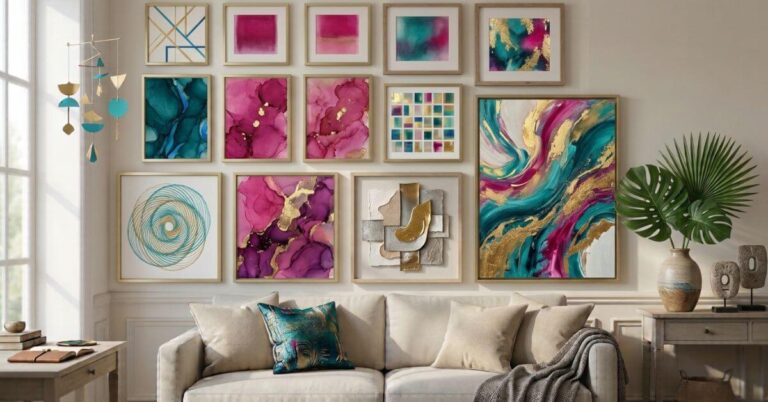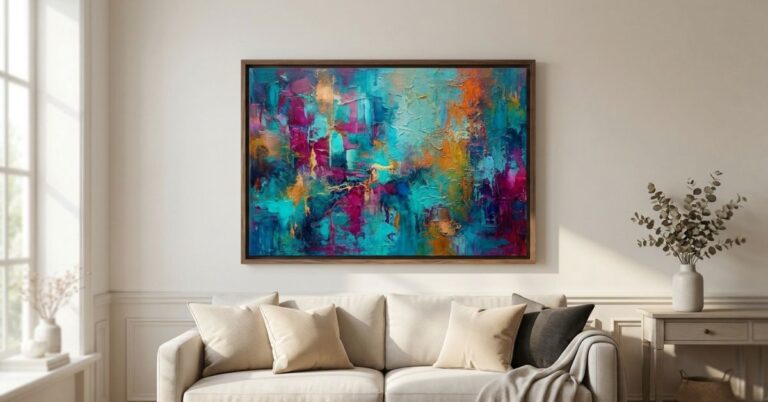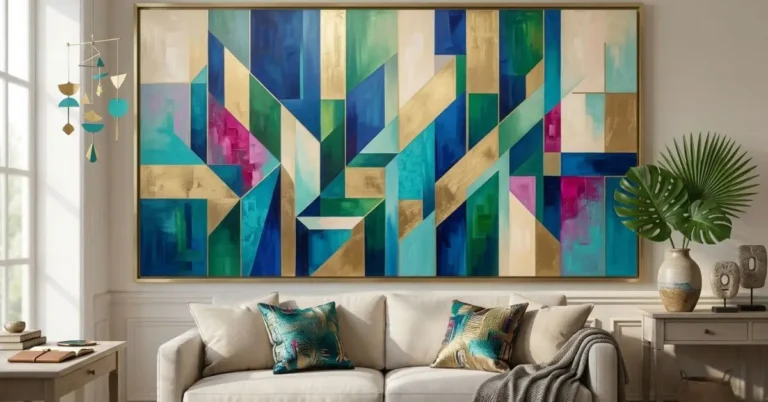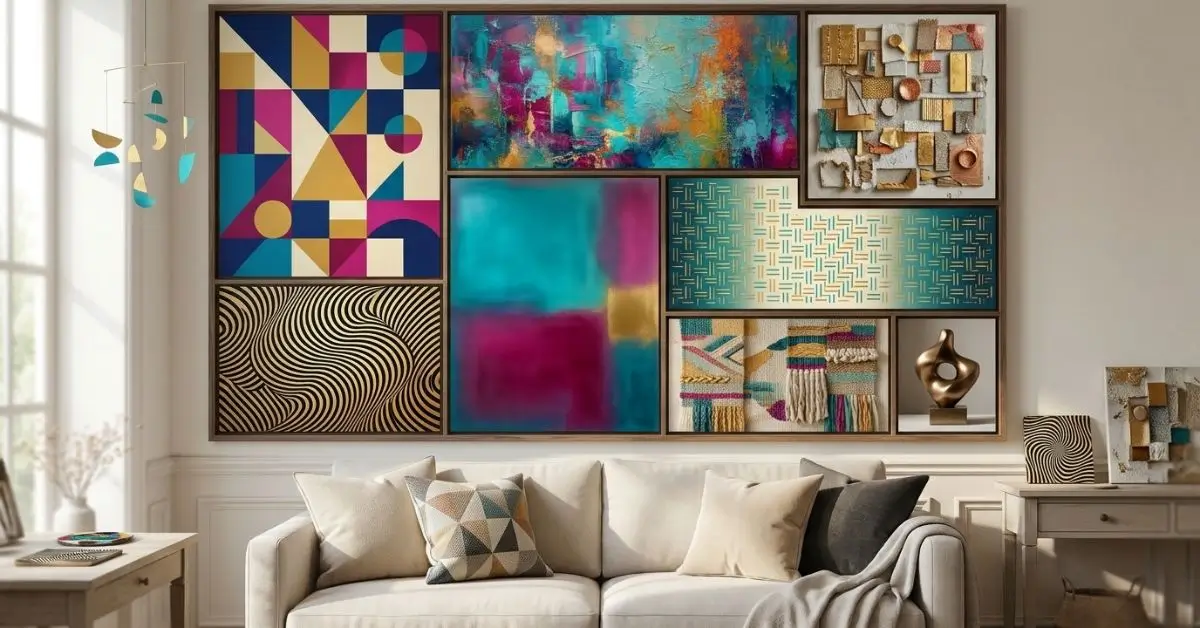
Abstract art is a creative form of artistic expression that uses colours, shapes, lines, textures, and patterns instead of focusing on realistic representations of people, places, or objects. It allows artists to communicate emotions, ideas, and perspectives through visual elements, giving viewers the freedom to interpret each composition in their own way.
There are many types of abstract art, ranging from geometric compositions and minimalist designs to expressive brushwork and large areas of vibrant colour. Each style has its own characteristics, techniques, and visual appeal. Some artists prefer structured arrangements, while others experiment with spontaneous movements, layered textures, and contrasting colours.
Understanding these styles can help you recognise different abstract artworks, explore famous artists, and discover how various painting techniques influence the final composition. Whether you are interested in art history, creative techniques, or artwork for contemporary interiors, learning about abstract art provides a better understanding of its diversity.
1. What Are the Main Types of Abstract Art?
Abstract art includes several artistic approaches, but four widely recognised styles are geometric abstraction, Abstract Expressionism, minimalist abstract art, and colour field painting.
Each approach explores different visual elements:
- Geometric abstraction: Uses structured shapes, lines, and patterns.
- Abstract Expressionism: Focuses on emotion, movement, and expressive brushwork.
- Minimalist abstract art: Uses simple forms, limited colours, and open space.
- Colour field painting: Emphasises large areas of colour and their visual relationships.
These categories are useful starting points, although abstract art includes many other styles and techniques. Artists can also combine different approaches within a single painting.
2. Geometric Abstract Art
Geometric abstract art uses shapes such as circles, squares, rectangles, triangles, and straight lines to create organised compositions. Instead of representing recognisable objects, artists explore how geometric forms interact through proportion, repetition, colour, and space.
This style often features precise arrangements and clearly defined boundaries. Some artworks use symmetrical patterns, while others create visual interest through asymmetrical compositions.
Key characteristics:
- Repeated geometric shapes and patterns
- Straight lines and defined edges
- Balanced or asymmetrical arrangements
- Controlled colour combinations
Piet Mondrian is one of the best-known artists associated with geometric abstraction. His compositions featuring horizontal and vertical black lines with blocks of primary colours demonstrate how simple elements can create a distinctive visual language.
Geometric abstract art is also popular in contemporary interiors because its structured appearance complements modern furniture, clean architectural lines, and minimalist spaces.
3. Abstract Expressionism
Abstract Expressionism is an influential art movement that developed in the United States during the 1940s and 1950s. It emphasises personal expression, emotional intensity, and experimentation with painting techniques.
Artists associated with this movement often used large canvases, energetic brushstrokes, paint splashes, and spontaneous compositions. Rather than following traditional painting methods, they explored new ways of applying and arranging paint.
Key characteristics:
- Bold and expressive brushwork
- Spontaneous paint application
- Dynamic compositions
- Strong emotional and visual impact
Jackson Pollock became famous for his drip-painting technique, in which he applied paint by dripping, pouring, and splashing it across canvases. Mark Rothko explored a different approach through large areas of layered colour.
Abstract Expressionism demonstrates how artistic movement and the painting process can become important parts of the finished artwork.
4. Minimalist Abstract Art
Minimalist abstract art focuses on simplicity, clarity, and carefully selected visual elements. It avoids unnecessary details and uses basic shapes, limited colour palettes, and open space to create balanced compositions.
Rather than filling the canvas with complex patterns, minimalist artists allow individual elements to stand out.
Key characteristics:
- Simple shapes and forms
- Limited colour combinations
- Clean lines and open space
- Repetition and visual balance
Agnes Martin is an important artist associated with minimalist approaches to abstraction. Her work demonstrates how subtle lines, repeated patterns, and restrained compositions can create a distinctive visual experience.
Minimalist abstract art is suitable for people who appreciate understated designs, neutral interiors, and artwork that adds character without overwhelming a space.
5. Colour Field Painting
Colour field painting is an abstract style that emerged during the 1950s and developed further during the 1960s. It focuses on large areas of colour rather than detailed imagery or recognisable subjects.
Artists use broad colour areas, layered tones, and subtle transitions to create atmosphere and encourage an emotional response.
Key characteristics:
- Large areas of colour
- Subtle or contrasting colour transitions
- Limited use of detailed shapes
- Emphasis on atmosphere and visual experience
Mark Rothko is particularly well known for his colour field paintings, which often feature soft-edged rectangles of colour arranged in layered compositions.
Helen Frankenthaler also made important contributions to this approach through her experimental stain-painting technique, which allowed diluted paint to spread across unprimed canvas.
Colour field painting shows how colour alone can become the central subject of an abstract composition.
6. Lyrical Abstraction
Lyrical abstraction is an expressive approach that focuses on flowing forms, organic shapes, fluid lines, and harmonious colour combinations.
Unlike highly structured geometric compositions, lyrical abstraction often creates a sense of freedom and movement. The artwork may include soft transitions, irregular forms, and expressive brushwork.
Key characteristics:
- Flowing and organic shapes
- Fluid lines and movements
- Expressive colour combinations
- Loose and spontaneous compositions
This style can sometimes draw inspiration from natural forms, music, and personal experiences without directly representing them.
Lyrical abstraction is a useful example of how artists can create visual rhythm and emotion through non-representational compositions.
7. Other Popular Types of Abstract Art
Beyond the four main approaches, several other styles and techniques have contributed to the development of abstract art.
Gestural Abstraction
Gestural abstraction focuses on the physical movements involved in creating a painting. Artists use sweeping brushstrokes, energetic marks, splashes, and spontaneous movements to express ideas and emotions.
It is closely associated with Abstract Expressionism, particularly action painting.
Hard-Edge Abstract Art
Hard-edge abstraction uses clearly defined boundaries between shapes and areas of colour. It focuses on precision, flat colour, and controlled geometric compositions rather than loose brushwork.
Optical Abstract Art
Optical abstraction uses repeated patterns, contrasting colours, and geometric arrangements to create visual effects. Some compositions appear to move or change when viewed from different distances.
Biomorphic Abstraction
Biomorphic abstraction uses organic, irregular shapes that resemble forms found in nature. These compositions may suggest plants, cells, natural structures, or flowing objects without depicting them realistically.
8. Famous Abstract Artists and Their Techniques
Several influential artists helped shape the development of abstract art. Their different approaches demonstrate how artists can use similar visual elements to create completely different compositions.
| Artist | Associated style | Recognisable approach |
| Wassily Kandinsky | Early abstraction | Expressive colours, lines, and shapes |
| Piet Mondrian | Geometric abstraction | Grids, straight lines, and primary colours |
| Jackson Pollock | Abstract Expressionism | Dripping, pouring, and splashing paint |
| Mark Rothko | Colour field painting | Large, layered areas of colour |
| Agnes Martin | Minimalist abstraction | Subtle grids and repeated lines |
| Helen Frankenthaler | Colour field painting | Staining and flowing colour on canvas |
These artists show that abstract art is not limited to one technique or visual language. Their work continues to influence contemporary artists and modern abstract compositions.
9. Common Abstract Art Techniques and Examples
Abstract artists experiment with different techniques to create texture, depth, movement, and visual balance. Understanding these methods can help you recognise how different artworks are produced.
Dripping and pouring: Paint is poured or dripped onto a surface to create spontaneous lines, patterns, and layered effects. Jackson Pollock is a well-known example.
Layering: Multiple layers of paint are applied to create colour depth, texture, and visual complexity.
Colour blocking: Large sections of contrasting or complementary colours are arranged to create a structured composition.
Staining: Diluted paint spreads across an absorbent surface, creating soft colour transitions. This technique is associated with Helen Frankenthaler’s work.
Brushwork: Different brush movements create expressive marks, textures, and patterns that contribute to the overall composition.
These techniques can be used individually or combined to produce unique abstract paintings.
10. How to Explore Different Abstract Art Styles
When exploring abstract artwork, pay attention to the relationship between shapes, colours, textures, and composition.
If you appreciate structured designs, geometric abstraction may appeal to you. If you prefer simplicity, minimalist artwork offers a more restrained visual approach. For expressive compositions, Abstract Expressionism and lyrical abstraction provide greater freedom of movement and colour.
You can also explore different styles together to understand how artists combine traditional techniques with contemporary ideas.
For more inspiration, browse the ArtPlus Abstract Art Collection to discover abstract compositions and explore the wider ArtPlus Artworks Collection for additional artistic themes and styles.
Frequently Asked Questions
What are the four types of abstract art?
Four widely recognised approaches are geometric abstraction, Abstract Expressionism, minimalist abstract art, and colour field painting. Other styles include lyrical abstraction, gestural abstraction, hard-edge abstraction, and optical abstraction.
What are the different types of abstract art techniques?
Common techniques include dripping, pouring, layering, staining, colour blocking, expressive brushwork, and geometric composition. Artists often combine these methods to create different textures and visual effects.
What are some examples of abstract art?
Examples include Piet Mondrian’s geometric compositions, Jackson Pollock’s drip paintings, Mark Rothko’s colour field paintings, and Agnes Martin’s minimalist compositions.
Who are some famous abstract artists?
Some influential abstract artists include Wassily Kandinsky, Piet Mondrian, Jackson Pollock, Mark Rothko, Helen Frankenthaler, and Agnes Martin.
What is lyrical abstraction?
Lyrical abstraction is an expressive style of abstract art that uses flowing lines, organic shapes, loose compositions, and harmonious colours to create movement and emotion.
Final Thoughts
The different types of abstract art demonstrate how artists can use shapes, colours, textures, and techniques to communicate ideas without relying on realistic representation. From geometric abstraction and minimalist compositions to expressive brushwork and colour field painting, each style offers a different visual experience.
Learning about famous abstract artists and their techniques can also help you understand the creative decisions behind individual paintings. Whether you prefer structured patterns, subtle colours, or bold expressive compositions, abstract art offers a wide range of artistic approaches to explore.