
Premium Abstract Art Dubai: Discover Your Next Collection Piece
Abstract Art Collection
What is Abstract Art
As with all types of art, abstract art can be understood through the creative process of each artist, as well as through the perspective of the artist’s audience. In addition, abstract art is based on individual creativity; therefore, abstract artwork will evolve based on each artist’s imagination and interpretation of the art materials used.
For example, we may view an abstract piece today and feel a different set of emotions compared to tomorrow or five years into the future. In summary, understanding abstract art means embracing one’s own ability to create & connect with an individual work and to also understand the importance of creativity, imagination, free will & self-expression in order to create meaning from the work. Whether you are building an abstract art collection or seeking your first piece, the emotional connection is paramount.
History of Abstract Art
Wassily Kandinsky was considered one of the most important figures in Abstract Art, as he was one of the first modern abstract artists. He created work that focused on colors, shapes, and textures instead of relying on representational subject matter. Some people believe that Hilma Af Klint was the first person to create abstract art, but most of her works did not get discovered until decades later.
There were many types of Abstract Art created in the Modern Art Movement in the early to mid-1900s that contributed to the development of different Abstract Styles globally. Piet Mondrian created a type of abstract painting called Tablo, while Jackson Pollock painted an abstract expressionist canvas titled Full Fathom Five, which started trends with both Techniques and Ideas. After World War II, the Abstract Expressionism Style continued to grow, especially in many countries such as the UAE. Today, the influence of these masters is visible across the vibrant contemporary abstract art Dubai scene.
Abstract Expressionism Explained
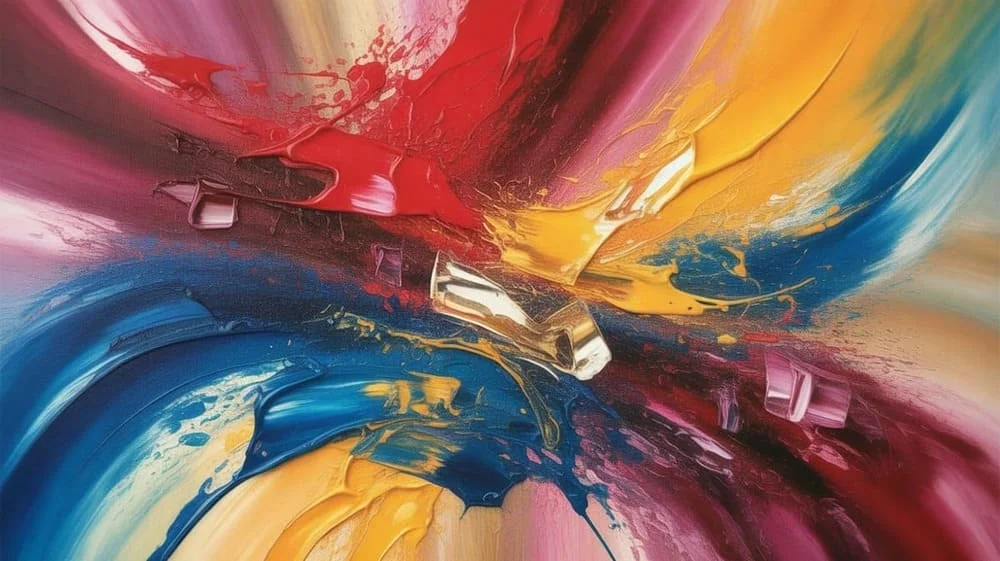
Abstract Expressionism is an art movement that began in New York during the early part of the 20th century (1940). It is considered the first truly American Art Movement that substantially impacted the world. Many artists, such as Willem De Kooning, Mark Rothko, and Jackson Pollock, utilized gestural abstraction, spontaneity, and powerful emotional content to produce their artworks (Drip painting, pouring, and bold stroke techniques).
Similarly, in the UAE, both private collectors and art galleries exhibit many works of Abstract Expressionistic Art (including De Kooning’s Interchange and Frankenthaler’s Mountains and Sea), which are centered around movement, color, and dimension. Through their continued popularity, Abstract Expressionism influences many modern and contemporary abstract artists and remains at the heart of abstract art uae has to offer.
Types of Abstract Art
Expressive Abstraction
Expressionistic Abstraction focuses on the emotional quality and spontaneity of the paint application. As such, artists express emotion and thoughts through free-flowing brushstrokes that allow viewers to feel the artist’s mood through visual stimuli such as color, shape/structure, texture, etc.
Gestural Abstraction
While both Expressionistic & Gestural Abstraction utilize emotional expression, the latter refers to using physical movement/gestures to create artwork. An example of this is Jackson Pollock’s Full Fathom Five, in which the artist created an energetic piece of art through the motions of his hands and body to paint it.
Minimalism in Art
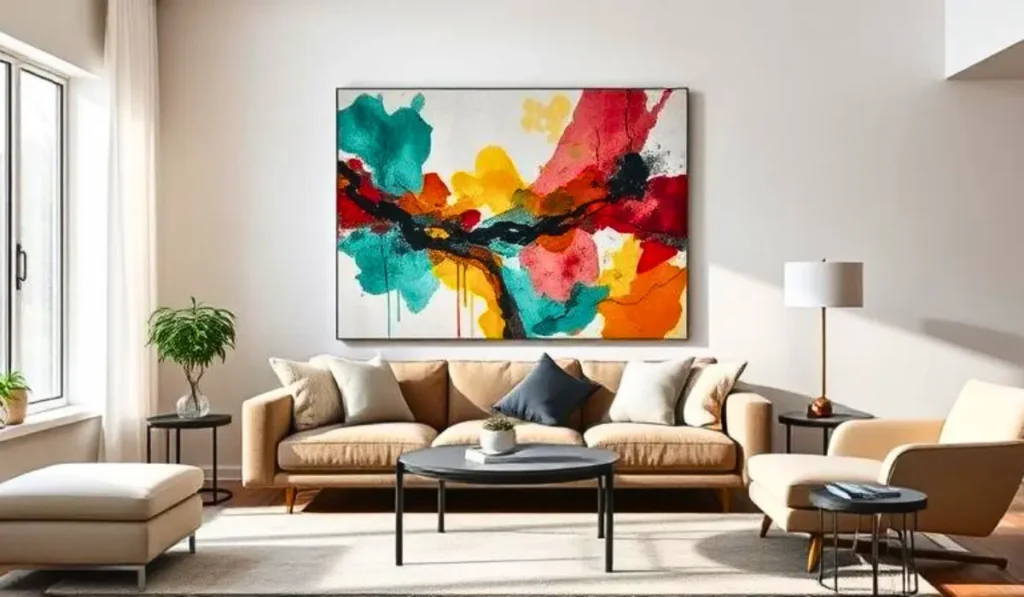
Minimalist Art reduces the shape and form of artwork down to its most basic state. Minimalist Art emphasizes space, balance, and subtlety, allowing the viewer to focus more on composition and color as opposed to details. This style is particularly popular for abstract art for wall decor in modern interiors.
Geometric Abstraction
Geometric Abstraction uses formal geometrical shapes, symmetry, and mathematical principles/structure as design elements. Geometric Abstraction’s most well-known artist is Piet Mondrian and his work Tableau, which combines straight lines and straight edges with color in a balanced composition.
Color Field Painting
Color Field Painting (as well as many other types of abstract painting) relies less on figures, objects, & details than other styles and types of painting do. Instead, the focus of Color Field is to evoke emotional reactions and create visual atmospheres through areas of color. Therefore, the viewer must consider the depth and tone of the color and the way in which different colors interact to attain that emotional response.
Conceptual Art
Conceptual Art values intellectual thought over physical form and emphasizes ideas as the primary means of creating Art. Therefore, while Conceptual Art has no physical or tangible product to “see,” the idea behind the Conceptual Art is what determines its value; therefore, the viewer must determine how he or she interprets the idea.
Hard-Edge Painting
Hard-Edge Painting consists of sharp, clear boundaries between colors used in a painting. Having a very clean and clear edge between colors, it provides an incredibly modern appearance to the painting and emphasizes differences between the colors used and their respective forms.
Optical Abstraction
Optical abstraction plays with visual perception, creating illusions of depth, movement, or dimension on a flat surface. This style engages viewers actively, making the experience interactive.
Key Characteristics of Abstract Art
By depicting elements devoid of any equalities to objects, abstract art is classified as non-representational art, with artists generally utilizing color-field painting, geometric abstraction, or gesture-based abstraction to emphasize the unique characteristics of lines, shapes, and textures, rather than the physical form of a painting.
Techniques such as expressive abstraction display a sense of emotion and movement from the artist through the canvas. Minimalism highlights simplicity within an art piece and allows for individual viewer interaction with the work. Collectors in the UAE are frequently searching for these traits among pieces in their collections and those exhibited, making a curated abstract art collection highly sought after.
The Purpose of Abstract Art
Abstract art has a primary purpose of awakening emotion and stimulating the imagination. Rather than telling stories or showing what is going on in real life, abstract art is about the expression of ideas, movement, and feelings through abstract painting techniques. Many times, conceptual art and abstract art coincide, as conceptuality is more commonly attributed to the concept of an object rather than its physical appearance.
Many homes, offices, and galleries in the UAE display contemporary abstract art Dubai residents love, to encourage creative thought and conversation. The different interpretations of each artwork allow people to appreciate a piece as timeless and a source of universal appeal. Whether you require a specific art service in dubai or a standout piece for your wall, the power of abstract art lies in its ability to conne