Yes, you can turn any high‑resolution photo into a beautiful canvas print. Choose a 300 DPI image, pick cotton or blend canvas, and add UV coating. That’s the formula for gallery‑worthy results at home.
I’ve seen people overthink this for weeks. They worry about the wrong things—like which corner wedge to use—and ignore the one that actually matters: the photo itself. Let me save you time. This guide walks you from photo selection to hanging it on your wall, with zero fluff.
What Actually Happens When You Print a Photo on Canvas
A canvas photo print is exactly what it sounds like. Your image gets printed directly onto durable fabric using large‑format inkjet printers. Then it’s stretched over a wooden frame—usually with the image wrapping around the edges (that’s called a gallery wrap). The result is a ready‑to‑hang piece with a soft, textured finish.
No glass. No glare. Just art.
How Canvas compares to other wall art:
| Format | Key Feature |
| Paper print | Flat, needs glass, can reflect light |
| Acrylic print | Glossy, modern, high shine |
| Canvas print | Textured, matte finish, lightweight |
Canvas has a quiet elegance that works in almost any room. It doesn’t compete for attention. It just belongs.
Why People Switch to Canvas (And Never Go Back)
Here’s what my customers tell me after their first canvas print:
No glare: The textured surface absorbs light softly. Hang it opposite a window—no problem.
Lightweight: A 24″ x 36″ canvas weighs less than a framed poster. One nail holds it.
Durable: With basic care, it outlasts your sofa. Decades, not years.
Painterly look: The fabric weave adds depth. Your photo stops looking like a print and starts looking like art.
Easy to clean: Dry a microfiber cloth once a week. That’s it.
Interior designers love canvas because it blends with neutral walls and doesn’t scream for attention. It just works.
How to Pick the Right Photo for Canvas (Most People Get This Wrong)
The photo is 80% of the result. Get this right, and everything else is easy.
1. Resolution is nonnegotiable.
Use images at 300 DPI or higher at your final print size. A low‑res phone photo will look blurry on a large canvas. No printer can fix that.
2. Look for natural lighting and balanced colors.
Soft sunsets, green landscapes, and evenly lit portraits print beautifully. Avoid harsh shadows or blown‑out skies.
3. Pick photos with emotional value.
Family portraits. Travel memories. Pet photos. That emotional connection turns a decoration into something you’ll love for years.
Real example: A client sent me a grainy 10‑year‑old phone photo of her late dog. I had to tell her it wouldn’t work. She cried. Then she found a better image from a real camera. The final canvas hangs in her living room today—sharp, vibrant, and meaningful.
The Printing Process: What Happens After You Click “Order”
You don’t need to know every technical detail. But understanding the steps helps you spot a quality provider.
- Image selection: You upload your 300 DPI photo.
- Editing: The printer adjusts color balance and brightness to match your screen.
- Printing: Large‑format printers use pigment‑based inks (not dye). Pigment lasts decades.
- Stretching: The canvas is pulled tight over a wooden frame. Gallery wrap means the image continues around the edges.
- Protective coating: A clear UV layer is applied. This prevents fading.
- Final inspection: Quality check before shipping. Ready to transform your photo? Get professional print on canvas in Dubai with pigment inks and a gallery wrap.
“Pigment inks plus UV coating is the only combination that survives five years of indirect sunlight. Anything less is disposable.”
Popular Canvas Design Ideas for Every Room
Not sure what to print? Here’s what works.
| Design Type | Best For |
| Family photos | Living rooms, hallways, bedrooms |
| Landscapes | Any room – brings the outdoors in |
| Abstract art | Modern or minimalist interiors |
| Inspirational quotes | Home offices, studios |
| Pet portraits | Any pet lover’s home |
| Maps | Studies, travel enthusiasts |
| Geometric patterns | Contemporary spaces |
Mix and match to create a gallery wall. Or go bold with one large statement piece.
Display Ideas That Actually Look Good (Not Just “Hang and Forget”)
How you hang art changes the whole feel of a room.
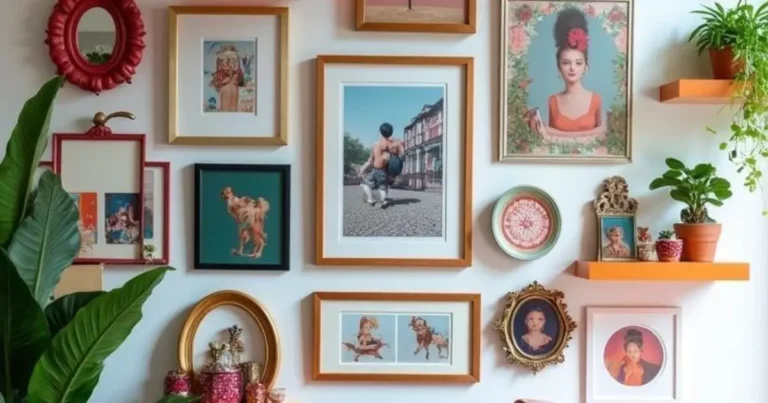
Gallery wall: Mix sizes and orientations. Leave 2–3 inches between frames. Start with the largest piece in the center. For a complete room transformation, follow our step-by-step guide on how to create a gallery wall with canvas prints.
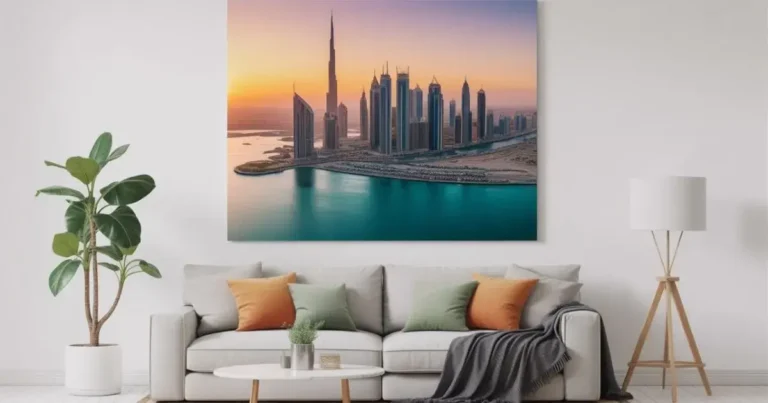
Single focal point: One large canvas above a sofa, bed, or desk. Choose a dramatic image—a landscape or striking portrait.
Proper lighting: Soft spotlights or picture lights enhance texture. Avoid direct sunlight. It fades even UV‑coated prints over time.
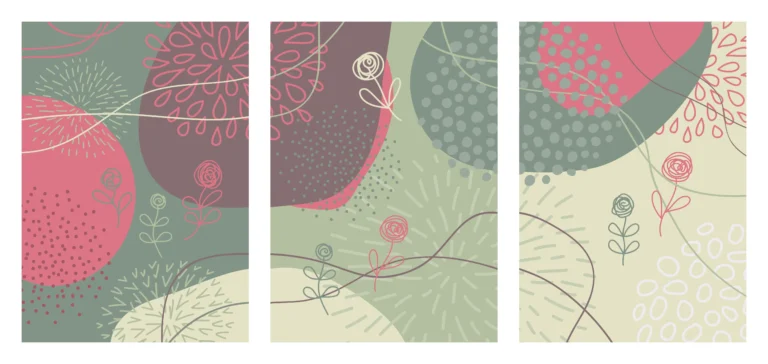
Multi‑panel (triptych): Split one image across two or three canvases. Works beautifully on long, blank hallways.
Learning: Don’t hang everything. Lean a large canvas on a mantel or console table. Relaxed and intentional.
Professional vs. DIY Canvas Printing: Which One Makes Sense?
You can print at home or order from a pro. Here’s the honest breakdown.
| Aspect | Professional | DIY (Home Printer) |
| Quality | High–archival inks, cotton canvas | Variable – depends on your printer |
| Durability | Decades with UV coating | Months to a few years |
| Size range | Any size up to very large | Usually small (letter size or smaller) |
| Cost per print | Higher upfront | Lower per print, but equipment costs |
| Best for | Anything you care about | Crafts, experiments, kids’ projects |
My take: For family portraits, art you plan to keep, or large wall pieces, go professional. DIY is fine for test prints or temporary decorations. If you want to understand all canvas materials and techniques in depth, check out our complete guide to canvas printing.
Canvas Print Costs: What to Expect (UAE Focus)
Prices vary by size, material, and coating. Here’s a realistic range.
| Canvas Size | Typical Use | Approximate Cost (AED) |
| Small (8″x10″ to 12″x16″) | Gifts, shelves, desks | 50–120 AED |
| Medium (16″x20″ to 24″x36″) | Living rooms, bedrooms | 150–350 AED |
| Large (30″x40″ and up) | Feature walls, offices | 400–800+ AED |
Larger canvases cost more because they need more material and stronger frames. But even large prints are usually cheaper than original paintings or heavy framed glass art.
How to Make Your Canvas Last 50+ Years
Minimal effort: Massive payoff.
Dust weekly with a soft, dry microfiber cloth. Never use water or cleaning sprays.
Avoid direct sunlight: Even UV coating degrades over the years of harsh sunlight. In the UAE, that matters a lot.
Retighten if needed: Over time, canvas can loosen slightly. Use the small plastic wedges (corner keys) that came with your printer. Tap them gently into the back corners.
Reapply protective spray every 5–7 years if your home gets strong sunlight: Most people never need to. But it’s an option.
“A canvas print without UV coating is like sunscreen at the beach. You’ll regret skipping it—just not immediately.”
Conclusion
Transforming photos into canvas art is simpler than most people think. Pick a high‑resolution image with emotional value. Choose cotton or blended canvas. Add UV coating. Then hang it somewhere you’ll see every day. That’s it. The rest is just details.
FAQ
What is a photo canvas?
A photo canvas is your image printed on durable fabric, stretched over a wooden frame, and ready to hang. No glass required.
How do I turn a picture into a canvas?
Upload a high‑resolution image (300 DPI) to a professional printing service. Choose your size and finish. They handle the rest.
Do canvas photos fade?
Quality prints with UV‑protective varnish are fade‑resistant. Without it, fading can begin within 2–3 years in direct sunlight.
What’s the difference between a paper print and a canvas print?
Paper prints are flat and usually framed behind glass (which causes glare). Canvas prints have a textured, matte finish and are stretched over a frame—no glass, no glare.
Do photos on canvas look good?
Yes. The textured surface enhances most images, giving them a painted, artistic feel. Portraits, landscapes, and abstracts all work beautifully.
Can I clean a canvas print with water?
No. Use only a dry microfiber cloth. Water can stain or damage the ink and protective coating.