When preparing photographs, illustrations or original artwork for printing, choosing the right printing method can make a significant difference to the final result. Some prints are created for everyday use, while others are produced to showcase creative work, preserve important images or display artwork professionally.
Understanding fine art printing vs photo printing helps artists, photographers and homeowners select the right materials and printing process for their needs. Although both methods can produce detailed, attractive images, they may differ in paper quality, ink technology, appearance, durability and intended use.
A photograph can be printed using a fine art printing process, but not every photo print is automatically a fine art print. The materials and production standards help determine the difference.
What Is Fine Art Printing?
Fine art printing is a professional printing method used to reproduce photographs, digital illustrations, paintings and other creative work with careful attention to detail, colour and material quality.
It commonly uses specialist inkjet printing technology, high-quality fine art papers and carefully selected inks. Depending on the printing setup, these may include pigment-based inks designed to provide strong colour stability and resistance to fading.
Fine art papers are available in different surfaces, including smooth matte, textured and cotton-based options. Each surface can influence how colours, shadows and fine details appear in the finished print.
Fine art printing is commonly used for:
- Reproducing original paintings and illustrations
- Producing professional photographic prints
- Creating limited-edition artwork
- Preparing prints for galleries and exhibitions
- Producing premium wall art for homes and commercial spaces
The main objective is to reproduce creative work with a high level of detail and a finish that supports the artist’s intended presentation.
What Is Regular Photo Printing?
Regular photo printing is designed primarily to reproduce photographs for personal, professional or commercial use. It focuses on producing clear images, natural-looking colours, sharp details and attractive finishes.
Photo prints are commonly produced on glossy, lustre or satin photographic paper. These surfaces can enhance colour vibrancy, contrast and image clarity, making them suitable for portraits, landscapes, event photography and family photographs.
Depending on the printer and materials, photo printing can use dye-based or pigment-based inks. Therefore, it is not accurate to assume that every photo print uses lower-quality ink or has a shorter lifespan than a fine art print.
Common applications include:
- Family and personal photographs
- Wedding and event photography
- Portrait prints
- Travel and landscape photographs
- Business and promotional photography
Regular photo printing is a practical choice when the priority is attractive photographic output for everyday display, albums or personal collections.
Fine Art Printing vs Photo Printing: 5 Main Differences
Both printing methods can produce excellent results, but their characteristics and intended applications are not always the same.
1. Paper and Printing Materials
One of the most noticeable differences is the material used for printing.
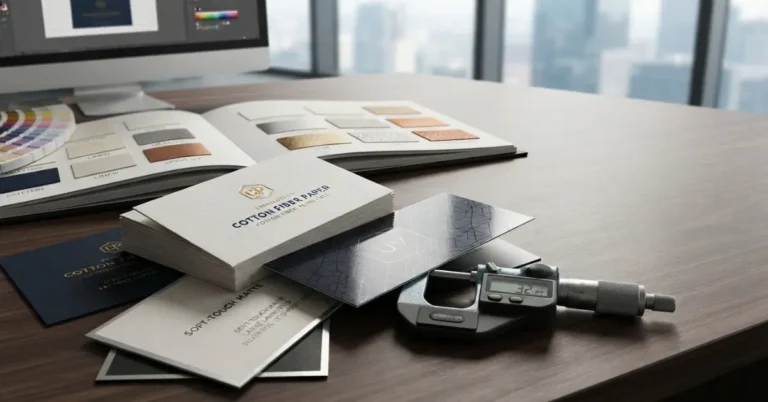
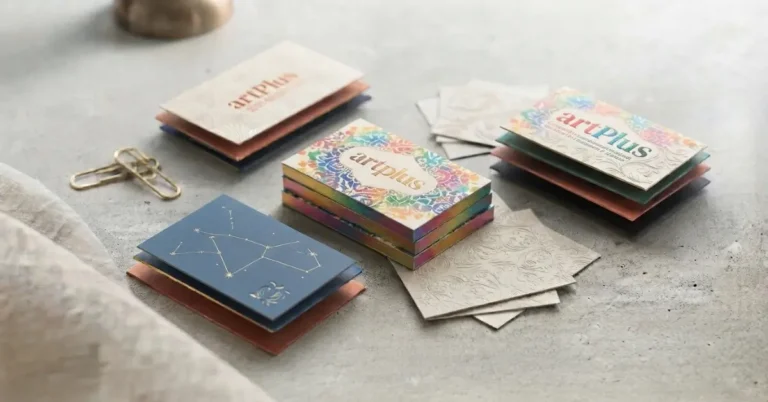
Fine art printing can use specialist matte, textured or cotton-based papers designed for artistic presentation. These materials provide different surface characteristics and can help reproduce the appearance and feel intended by the artist.
Regular photo printing commonly uses glossy, lustre or satin photographic paper. These papers are designed to produce sharp images, strong contrast and vibrant colours.
The choice depends on the image and desired finish. A textured matte paper may suit an illustration or painting reproduction, while glossy photographic paper may work better for a colourful portrait.
2. Ink Technology and Print Quality
Ink technology also affects the final appearance and potential longevity of a print.
Fine art printing often uses pigment-based inks because they can provide good colour stability and resistance to light exposure when combined with suitable paper and proper display conditions.
Photo printing may use either dye-based or pigment-based inks. Dye inks can produce vibrant colours, while pigment inks are often selected for professional applications where long-term stability is important.
Neither method automatically guarantees better detail. Print quality also depends on the original image resolution, printer technology, colour management, paper compatibility and production process.
3. Appearance and Finish
Fine art prints are available in a variety of finishes, including matte, smooth and textured surfaces. These options can create a more subtle presentation, reduce reflections and complement different artistic styles.
Photo prints are often selected for their glossy or lustre finishes, which can make colours appear vibrant and enhance the visual impact of photographs.
However, there is no strict rule that fine art prints must be matte or photo prints must be glossy. Both printing approaches can offer different finishes depending on the materials selected.
4. Durability and Longevity
The lifespan of a print depends on several factors, including ink composition, paper quality, exposure to sunlight, humidity, temperature and storage conditions.
Fine art printing often prioritises materials designed for long-term display and preservation. Archival-quality paper and suitable pigment inks can help reduce fading and deterioration over time.
Regular photo prints can also offer good longevity when produced using professional materials. Their durability varies according to the paper and ink combination.
For artwork intended for galleries, collections or long-term display, it is worth asking the printing provider about the materials used and their preservation characteristics.
5. Purpose and Applications
The intended use is one of the easiest ways to decide between the two options.
Fine art printing is particularly suitable for artists, illustrators, photographers and creative businesses that need high-quality reproductions or premium artwork for display and sale.
Regular photo printing is generally suitable for everyday photographs, family albums, personal memories and standard photographic displays.
For example, a photographer creating a limited-edition landscape collection may prefer fine art printing. Someone printing holiday photographs for a family album may find regular photo printing more practical.
Fine Art Printing vs Photo Printing: Cost Comparison
The cost of printing depends on more than whether the service is labelled fine art or photo printing. Several factors influence the final price:
| Cost Factor | Fine Art Printing | Regular Photo Printing |
| Paper | May use specialist fine art or archival-quality paper | Commonly uses photographic paper |
| Ink | Often uses pigment-based inks | May use dye-based or pigment-based inks |
| Print size | Larger or specialist formats may cost more | Depends on size and paper type |
| Production | May require additional colour and material checks | Often suited to standard photo workflows |
| Quantity | Pricing depends on materials and production requirements | Bulk printing may reduce the cost per print |
Fine art printing can cost more when it involves premium materials, specialist production and additional preparation. However, the price varies between providers and specifications.
For an accurate estimate, compare the print size, paper type, ink technology, quantity and finishing requirements rather than relying on the printing category alone.
Which Printing Method Should You Choose?
The right option depends on what you want to achieve.
Choose fine art printing if you:
- Want to reproduce original artwork or illustrations.
- Need professional prints for exhibitions or galleries.
- Plan to sell photographic or artistic reproductions.
- Prefer specialist paper textures and premium finishes.
- Need materials selected with long-term display in mind.
Choose regular photo printing if you:
- Want to print everyday photographs.
- Need images for family albums or personal collections.
- Prefer glossy, lustre or satin photographic finishes.
- Want a practical solution for standard photographic prints.
If you are unsure, discuss your original image, intended display and preferred finish with a professional printing provider before choosing the material.
Professional Fine Art Printing in Dubai with ArtPlus
Choosing the right printing method is an important step in achieving the appearance you want. Whether you are an artist preparing reproductions, a photographer producing a collection or a creative professional looking for premium prints, the right combination of materials and printing quality matters.
ArtPlus provides fine art printing in Dubai for creative and professional requirements. You can explore the available options and discuss your project to identify a suitable printing solution for your artwork or photographs.
Visit the ArtPlus Fine Art Printing service page to learn more about the service, or contact the ArtPlus team to discuss your printing requirements.
Frequently Asked Questions
1. What is the difference between a print and a fine art print?
A standard print is a broad term for an image reproduced on a material such as paper or canvas. A fine art print is produced with particular attention to image quality, printing materials, colour reproduction and artistic presentation. It may use specialist papers and pigment-based inks, depending on the process.
2. What is the difference between fine art and photography?
Fine art is a broad creative category that includes painting, drawing, sculpture, illustration and photography. Photography is the practice of creating images using a camera or other photographic techniques. A photograph can also be considered fine art when it is created and presented as an artistic work.
3. What is the difference between fine art paper and photo paper?
Fine art paper is commonly available in matte, textured and cotton-based surfaces designed for artistic printing. Photo paper is generally developed for photographic output and often comes in glossy, lustre or satin finishes. Both types vary in weight, coating, texture and compatibility with different inks.
4. Is fine art printing better than photo printing?
Neither option is automatically better. Fine art printing may be more suitable for artwork reproductions, gallery displays and premium collections, while regular photo printing is often practical for everyday photographs. The best choice depends on the image, intended use and desired finish.
5. Does fine art printing last longer than regular photo printing?
Fine art prints made with suitable pigment inks and archival-quality paper can offer strong resistance to fading. However, professional photo prints can also be long-lasting when produced with appropriate materials. Storage, sunlight exposure and environmental conditions also affect print lifespan.
6. Can photographs be printed as fine art prints?
Yes. Photographs can be reproduced as fine art prints using suitable professional printing equipment, compatible inks and specialist paper. This approach is commonly used by photographers who create exhibition prints, portfolios and limited-edition photographic collections.
Final Thoughts
The difference between fine art printing and regular photo printing comes down to the materials, production approach, desired appearance and intended use. Fine art printing is often chosen for artistic reproductions and premium displays, while regular photo printing is a practical option for everyday photographic output.
Before placing an order, consider the image, print size, paper finish and how you plan to display it. Selecting the right combination will help you achieve a print that suits your creative vision.